
 EN
What Are the Maintenance Costs of Ride On Mowers?
Buying a ride on mower is an equipment investment, not just a purchase-price decision. The cost that matters after delivery is the routine work that keeps cutting quality, safety, and availability on track. For a dealer, grounds contractor, or property manager, a realistic budget separates consumables, scheduled service, labour, storage, and the occasional repair. That approach gives a clearer picture of the operating cost of a ride on mower over each season.
There is no single annual figure for every ride on mower. Hours used, mowing conditions, terrain, storage, local labour rates, and the machine’s engine and transmission all change the result. Still, a practical maintenance plan makes the cost easier to forecast and helps buyers compare equipment investment options on a like-for-like basis.
Start with the work pattern, not a headline price
The first budgeting question is how many hours the ride on mower will run. A machine working on a small, dry, obstacle-free site has a different service load from one used repeatedly on dusty, sloped, or wet ground. Tall vegetation and debris can raise blade wear, load belts, and make cleaning more important. Fleet users should record engine hours and work conditions for each unit; this creates a better forecast than simply copying a calendar-based maintenance allowance.
Use the operator’s manual as the controlling schedule. Published maintenance guidance commonly groups jobs before use and at roughly 10-, 25-, 50-, and 100-hour intervals. The exact intervals differ by model, but the pattern is useful for planning cash and downtime.
The recurring costs to include in a ride on mower budget
1. Fluids and filtration
Engine oil, an oil filter where fitted, air-filtration items, and fuel-system attention are ordinary running costs for a petrol ride on mower. Dusty mowing conditions may shorten the useful interval for an air filter. Build the cost of the specified oil grade, filter, disposal, and the time to do the work into the operating cost. If the machine has hydraulic or transaxle service requirements, include those only at the intervals stated for that model.
2. Cutting-deck care and spare parts
Blades, blade hardware, deck belts, idler components, and deck cleaning are the parts of ownership users notice most quickly. A well-maintained, balanced blade supports a clean cut; a damaged blade or loose fitting needs professional attention. Budget for blade inspection and sharpening or replacement, plus a small allowance for spare parts such as belts, pins, fasteners, and filters. Do not assume every ride on mower uses the same deck components: confirm part numbers from the model documentation before stocking inventory.
3. Tyres, battery, and electrical checks
Tyre pressure and condition affect cut consistency and traction. Battery terminals, charging condition, safety switches, lights, and wiring deserve routine inspection, especially after winter storage. These items often have a modest annual cost until a replacement is required, but an unplanned battery, tyre, or electrical diagnosis can push a seasonal budget higher. A mower kept indoors and charged correctly is generally easier to recommission than one left exposed to moisture.
4. Labour and professional service
Owner-performed checks have a labour cost even when the invoice is small. A professional service adds workshop time, collection, inspection, and sometimes diagnostic charges. As an illustrative market reference, one 2026 repair-cost guide places a basic riding-mower tune-up around US$125–250 and a fuller tune-up around US$185–350. Treat those figures as planning ranges, not quotes: currency, local rates, travel, parts availability, and machine condition can change them substantially.
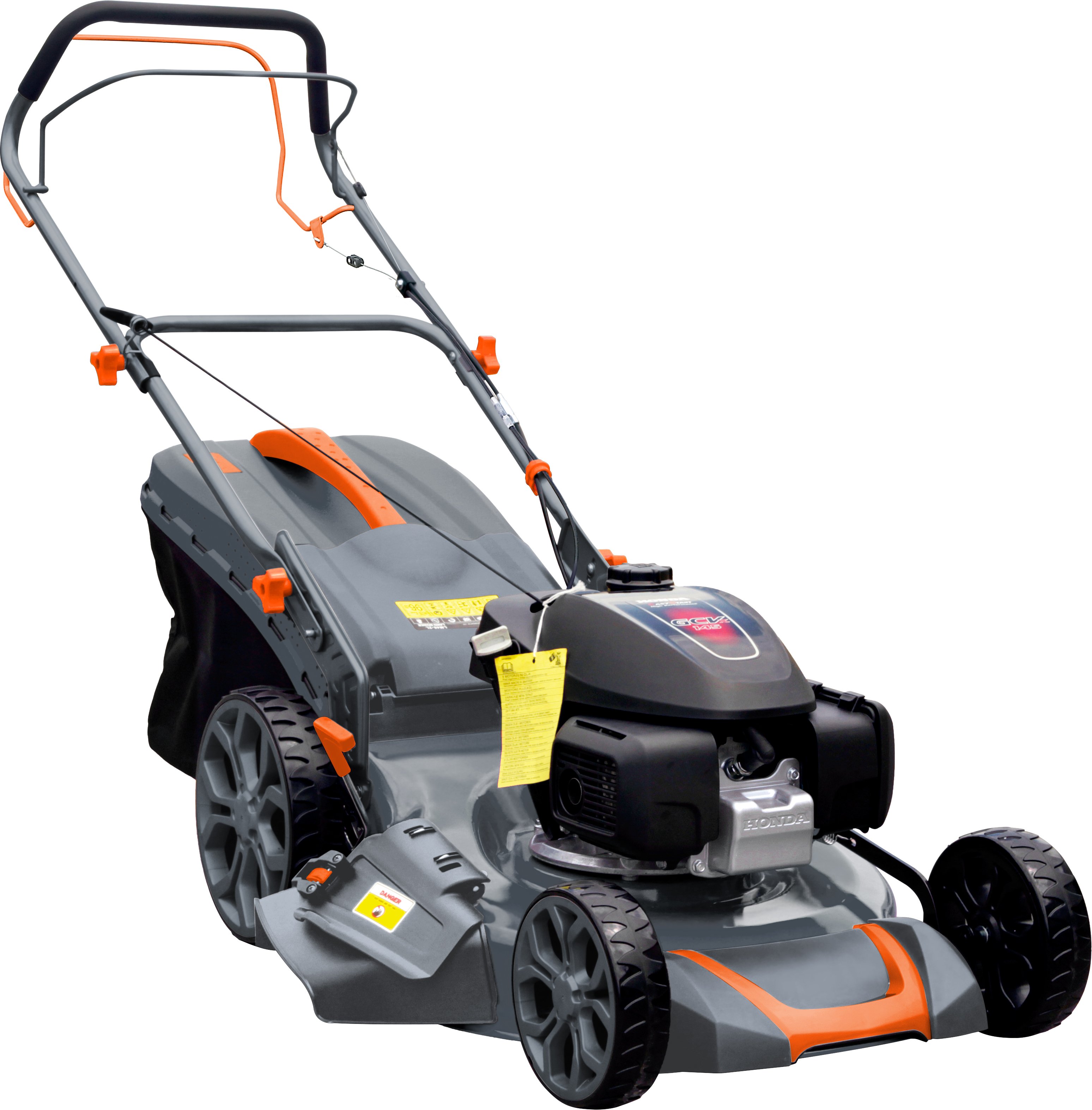 Routine deck inspection helps plan maintenance work and parts needs.
A simple annual cost model
For each ride on mower, list the following categories and replace the estimates with supplier or local workshop pricing:
| Budget line | What it covers | Planning question |
|---|---|---|
| Routine consumables | Oil, filters, plugs, cleaning materials | How many service intervals match planned hours? |
| Deck wear | Blade work, belts, fittings, deck cleaning | How abrasive or debris-heavy is the site? |
| Professional service | Labour, inspection, collection, diagnostics | Which jobs require a technician? |
| Contingency | Unexpected repair and urgent spare parts | What downtime cost can the operation absorb? |
| Storage and administration | Fuel management, charging, cleaning, records | Who prepares the machine between seasons? |
Add these lines to get the annual maintenance allowance, then divide it by planned operating hours. That produces a maintenance cost per hour for the ride on mower. This calculation is more useful for a commercial buyer than a single annual total because it shows whether a change in utilisation or service method is affecting the operating cost.
Where costs rise unexpectedly
Delayed cleaning, worn blades, ignored belt noise, poor storage, and running beyond the manual’s service interval can turn a small job into a larger repair. The same is true when an operator buys unverified spare parts that do not match the machine. Keep a service log with date, hours, work completed, parts used, and any symptom reported. For a fleet, this record also shows which ride on mower needs attention before it is scheduled for a busy mowing window.
It is sensible to hold a limited set of approved fast-moving items where downtime is costly, but do not tie up excessive capital in model-specific stock. Ask the supplier about parts identification, lead times, and the process for technical service before finalising the equipment investment.
How to control the long-term operating cost
- Match the deck width, capacity, and terrain capability of the ride on mower to the site instead of forcing an undersized machine through heavy work.
- Schedule daily cleaning and pre-use checks while debris and faults are still easy to identify.
- Plan oil, filter, blade, and belt tasks around recorded engine hours, following the manual.
- Train operators to report vibration, poor cut quality, starting difficulty, or unusual noises promptly.
- Compare the supplier’s parts and service support alongside the initial machine price.
What should a buyer ask before committing?
Before selecting a mower, request the recommended maintenance schedule, list of scheduled consumables, parts diagrams, warranty conditions, and local service options. Ask for realistic lead times for common spare parts, who will handle technical service, and whether the supplier can support planned fleet maintenance. These answers help turn an attractive purchase price into a sound equipment investment.
In short, the maintenance cost of this equipment is manageable when it is planned as a per-hour operating cost rather than treated as an occasional surprise. A documented service routine, correctly identified parts, sensible storage, and a clear technician pathway give buyers the information needed to budget with confidence.



 Hot News