
 EN
Key Trends Shaping the Future of Global Garden Machinery Markets.
The global garden machinery market is changing from a collection of seasonal product categories into a more connected equipment-and-service proposition. For distributors, importers, and category managers, the useful question is not simply whether demand is moving to battery power. It is which mix of garden machinery, service support, documentation, and channel tools will fit a region’s gardens, regulations, and buying habits.
That distinction matters. A compact cordless mower may fit a small urban plot and a noise-sensitive neighborhood, while a larger property, a contractor fleet, or a remote site can require a different power source and service model. The next phase of garden machinery growth is likely to reward suppliers and channels that turn those trade-offs into clear choices rather than treating every customer as the same.
1. Electrification is becoming a platform decision
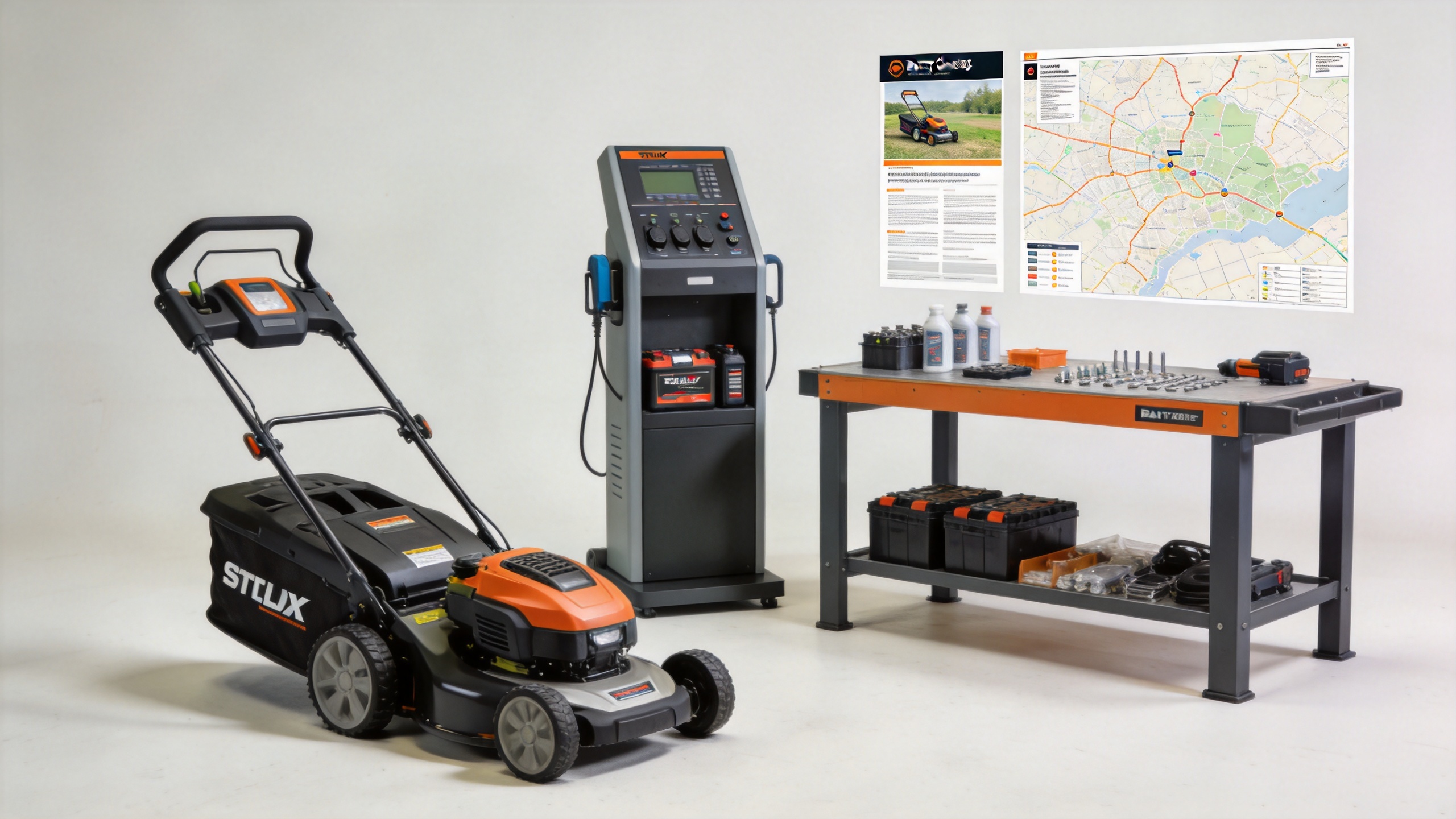
Electric equipment is central to current market trends, but its commercial value goes beyond the motor. Buyers increasingly compare batteries, chargers, runtime expectations, charging routines, spare-battery availability, and repair processes as one system. For garden machinery distributors, a well-aligned battery platform can simplify shelf communication and make repeat purchases easier across compatible tools. It can also create new questions about stock depth, battery transport, end-of-life handling, and technician training.
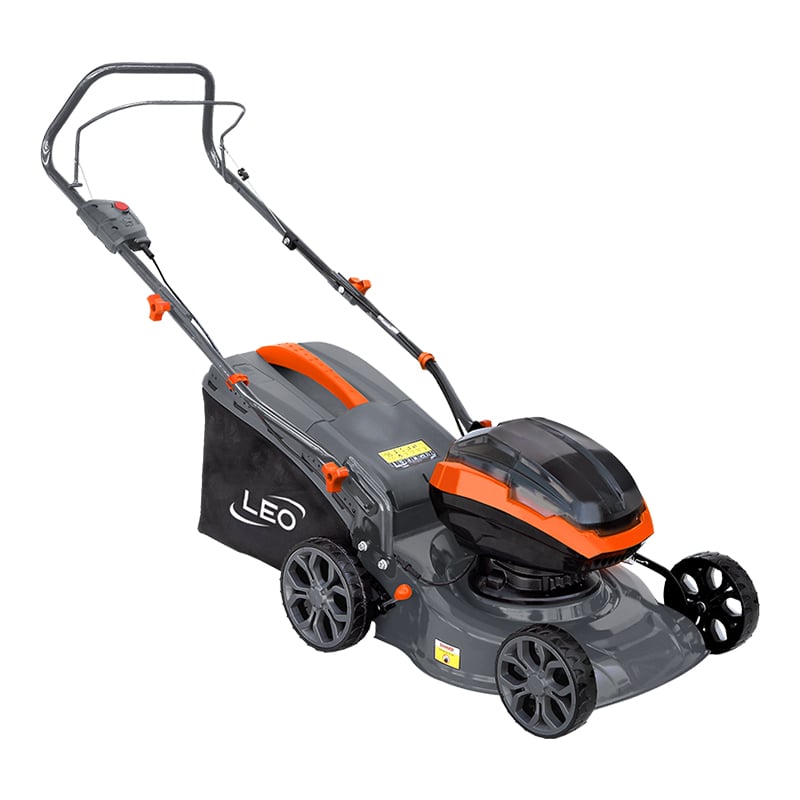
Battery-powered garden machinery can reduce local operating noise and routine engine maintenance for suitable applications, making electric equipment relevant where those market trends matter. That does not mean it is the right answer in every use case. Dense turf, long working cycles, steep terrain, cold conditions, and commercial duty can change the runtime and power calculation. A credible range plan therefore states the operating boundary: what the machine is designed to handle, how many batteries are practical, and what backup arrangement keeps a job moving.
Regulation adds another layer. Regulation (EU) 2023/1542 sets harmonised rules for batteries placed on the EU market, including batteries incorporated into products. Requirements and exceptions depend on battery category and product context, so importers should confirm the relevant obligations rather than apply a single rule to all garden machinery. Still, the direction is clear: battery documentation, replaceability considerations, and lifecycle planning now belong in product-development and channel conversations.
2. Combustion equipment is adapting, not disappearing overnight
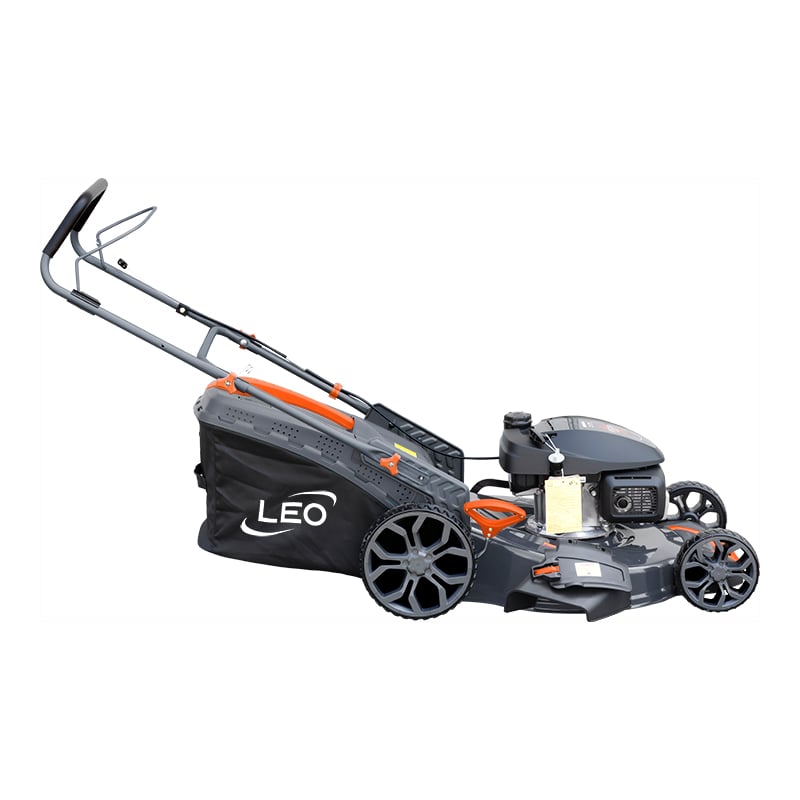
The rise of electric equipment does not erase the role of petrol-powered garden machinery; the same market trends can produce different choices in different operating environments. In many markets, equipment with a combustion engine remains relevant where extended shifts, high loads, limited charging access, or established service practices shape the decision. What is changing is the scrutiny around emissions, noise, fuel handling, and total operating cost.
For European-facing ranges, Regulation (EU) 2016/1628 provides the framework for emissions from specified non-road mobile machinery engines. It should be treated as a compliance planning issue, not a simple sales message: engine category, power band, documentation, and destination market all matter. Distributors can use this moment to segment garden machinery by real operating requirements instead of presenting power sources as a binary choice.
A practical portfolio may therefore include cordless equipment for routine residential work, corded electric products where access to power is reliable, and petrol options for higher-demand scenarios. The important innovation is not merely adding every format. It is making the rationale understandable to dealers, service teams, and end users.
3. Product innovation is moving toward usability and serviceability
Innovation in garden machinery is often discussed as smart features or new battery chemistry. In practice, market trends also reward equipment that reduces everyday friction. Those developments matter, but everyday usability can be just as decisive. Easier height adjustment, clearer controls, manageable storage, lower vibration, practical clipping handling, and access to replacement parts affect whether a product works well through a full season.
For a distributor, this shifts evaluation from a specification sheet to an operating journey. Can sales staff explain the model differences? Can a customer find the right blade, battery, filter, or collection accessory? Can a technician diagnose a fault without an avoidable delay? A range with a sensible spare-parts plan and clear technical information may create fewer friction points than a technically impressive product with limited after-sales support.
Connected features should be judged the same way. This kind of innovation is useful only when it supports a clear operating need. Usage alerts, fleet visibility, or maintenance prompts can support commercial users when the data is actionable and the setup remains proportionate. On a simple household machine, added electronics may not be the deciding factor. Context, not novelty alone, should guide garden machinery development.
4. Regionalisation will shape global range planning
Global markets do not produce one universal equipment brief. European buyers may give greater weight to noise, documentation, repairability, and compliance readiness. Other regions may prioritize durability, price structure, local service access, terrain, or seasonal timing. Climate also changes how garden machinery is used: turf type, rainfall, storage conditions, dust, and operating season can alter the appropriate deck, motor, wheel, or engine configuration.
That is why modular range planning is becoming more useful. A manufacturer that can adapt packaging, labels, manuals, accessory mixes, and selected specifications gives a distributor room to create a locally appropriate offer. The goal is not endless customization. It is controlled variation supported by accurate product data, reliable production communication, and a service plan.
5. Distribution capability is part of the product
In the next stage of industry development, the quality of a garden machinery offer will be judged by more than the unit in the carton. Industry development increasingly depends on the service system around the equipment. Buyers need dependable lead-time communication, compliant documentation, training material, product imagery, parts availability, and a process for warranty questions. These elements influence retailer confidence and determine whether a new line can build repeat demand after the initial launch.
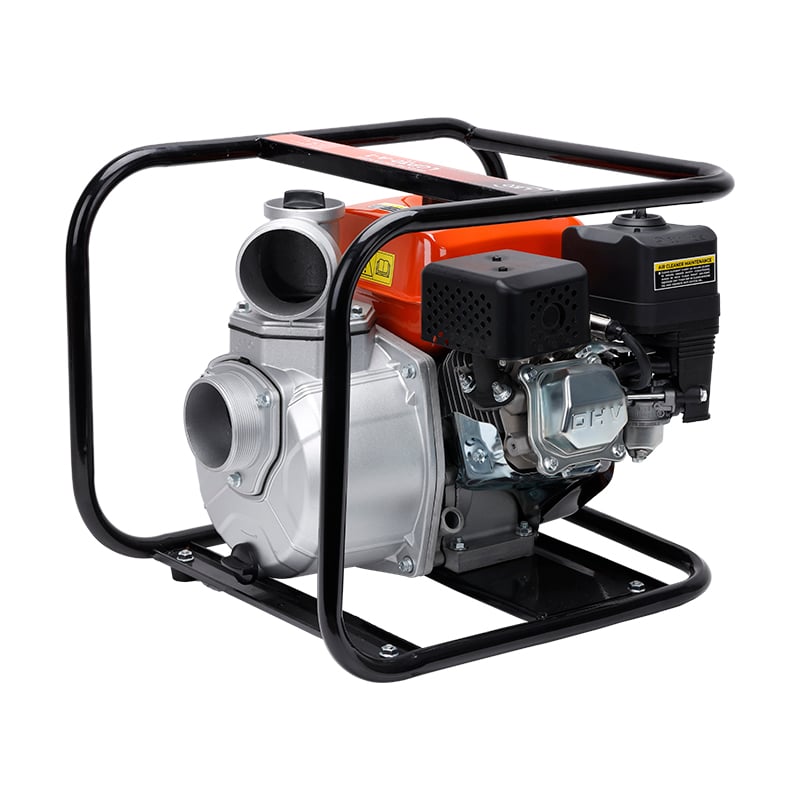
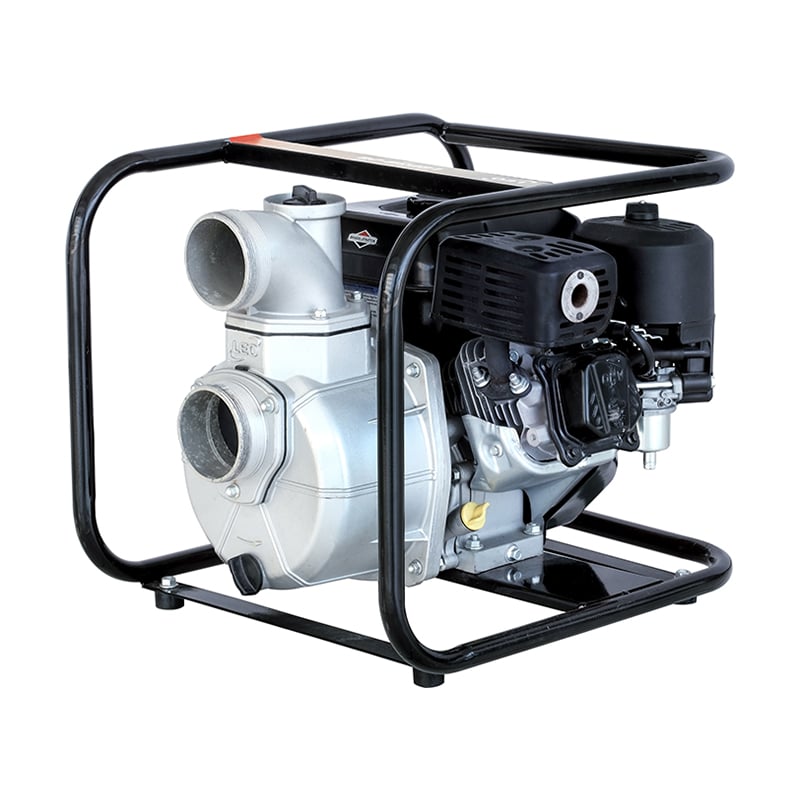
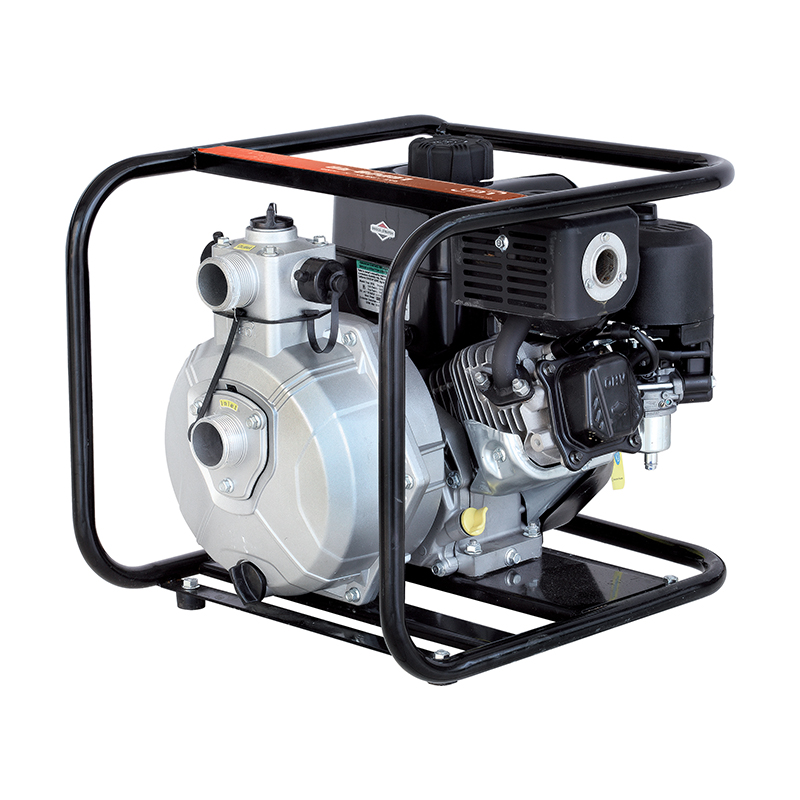
For suppliers with a broad category focus, the opportunity is to support a distributor’s portfolio logic: mowers, shredders, mulchers, tillers, and water pumps may serve overlapping customers but have different seasonal and service needs. The stronger commercial conversation links each category to a practical sales and after-sales plan.
A market checklist for 2026 and beyond
When reviewing future garden machinery opportunities, use a short checklist:
- Match electric equipment to actual runtime, terrain, charging, and seasonal-use conditions.
- Map applicable market, engine, battery, labeling, and documentation requirements before launch.
- Assess service parts, technician information, and warranty workflow alongside product specifications.
- Build a category mix around local customer segments instead of a one-size-fits-all power-source message.
- Measure innovation by lower friction for users and channel partners, not by feature count alone.
The future of global garden machinery markets will be shaped by electrification, regulatory awareness, service readiness, and regional fit. These market trends make disciplined industry development more valuable for every channel partner. Companies that combine those capabilities can make their ranges easier to evaluate, operate, and support—an outcome that matters to distributors and end users alike.

 Hot News