
 EN
How to Improve Lawn Mowing Efficiency with Modern Garden Machinery?
Improving mowing productivity is not simply a matter of moving faster. It comes from matching a lawn mower to the site, planning each pass, and cutting turf while conditions support a clean finish. For a professional landscaping crew, a prepared lawn mower means fewer interruptions. For a homeowner, the same habits can make a weekend job much easier to manage.
Modern garden equipment offers useful choices, from compact cordless units to self-propelled walk-behind machines and ride-on models. The practical question is not which lawn mower has the longest feature list. It is which configuration fits the lawn area, terrain, turf volume, access points, and number of mowing sessions required each week.
Start With the Worksite, Not the Machine
Before selecting or scheduling a lawn mower, walk the property. Note slopes, narrow access openings, trees, beds, loose stones, damp corners, and the distance to the disposal point. A large open area may justify a wider cutting deck or ride-on format, while a divided garden can lose time if a wide lawn mower cannot pass through its access routes. For professional landscaping work, this survey gives the crew a sensible basis for assigning machines before the work begins.
Plan the route before starting. Mow the perimeter first where that creates turning room, then use straight, slightly overlapping passes through the main area. Leaving a modest overlap helps the lawn mower avoid missed strips without repeating large sections. Where obstacles are frequent, divide the lawn into zones rather than constantly changing direction. That simple change can improve mowing productivity while reducing fatigue.
Choose a Lawn Mower Around Area, Turf, and Terrain
Match cutting width to the real route
A wider lawn mower can cover open ground in fewer passes, but width only saves time when the machine can turn, pass access openings, and work around landscape features. A compact walk-behind lawn mower may be the more efficient option for narrow paths and detailed edges. On large, accessible lawns, a ride-on machine can reduce walking time and operator strain. Review the manufacturer’s working-width, turning, slope, and operating guidance for the specific model before assigning it to a job.
Consider drive assistance and power planning
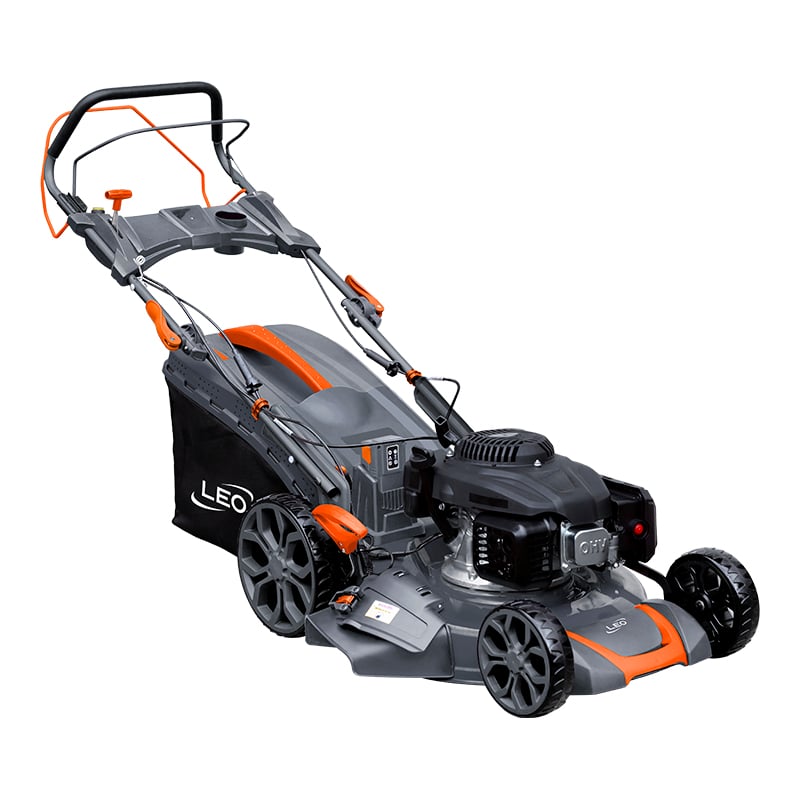
Self-propelled drive can ease the push effort of a lawn mower on moderate slopes or during long workdays. Cordless garden equipment removes cable management, but the planned area and turf conditions should fit the available battery capacity. Petrol-powered equipment may suit extended work where refuelling is practical. None of these formats is right for every site; the efficient lawn mower is the one that can finish the planned route without unsuitable handling, repeated stops, or unnecessary transfers.
 A planned mowing route helps operators make efficient, even passes.
Set Up the Lawn Mower for a Clean First Pass
Many slow mowing jobs begin with a poor setup. Check that the blade is well-maintained and undamaged, the deck is free of compacted turf, and the wheels or height system are set consistently. A well-maintained lawn mower blade cuts more cleanly than a dull one, while an uneven setting can leave a finish that requires a second pass.
Use cutting height as a workflow control. Extension guidance commonly advises removing no more than one-third of the turf leaf in a single session. If growth is high, raise the lawn mower for the first pass and schedule another cut later rather than forcing a low cut. This approach reduces clumping, helps the turf recover, and lowers the chance that dense material will interrupt the deck.
Do not treat wet turf as a normal production condition. Wet clippings can accumulate under a lawn mower deck, slow collection, and affect footing. When a schedule is flexible, wait until the turf is dry. If a job has a weather deadline, assess the site, traction, and safe operating instructions rather than assuming the machine will handle the same workload as it would on dry turf.
Reduce Stops That Do Not Add Value
On a larger property, a few minutes spent searching for supplies soon become a noticeable delay. Place fuel, charged batteries, collection bags, personal protective equipment, and basic service items near the work area before the lawn mower starts. For battery-powered garden equipment, rotate charged packs according to the day’s route rather than waiting for a machine to stop mid-section. For collection mowing, establish a clear emptying point that does not force the operator to cross finished turf repeatedly.
Choose the discharge method for the turf condition. A collection setup can be appropriate where clippings need removal, while mulching may reduce stops on dry, regularly cut turf if the lawn mower and conditions support it. In heavy or long growth, trying to mulch too much material can create visible clumps and a slower finish. Test a short area, inspect the result, and adjust height, pace, or collection strategy before committing the entire lawn.
Build a Repeatable Professional Landscaping Routine
For professional landscaping teams, consistency protects both time and presentation. A practical routine is: inspect the site, clear debris, set the lawn mower height, plan the route, complete the main passes, trim edges, inspect the finish, and clean the machine. Clearing stones, branches, and toys before mowing protects blades and reduces unexpected stops. The final inspection should look for missed strips, clumps, and scalped areas while the crew can still correct them efficiently.
Track recurring delays. If one route repeatedly needs extra passes, the issue may be a poorly matched lawn mower, a blade-maintenance interval, a collection capacity limit, or a mowing schedule that allows turf to grow too long. That record is more useful for allocating garden equipment than a vague impression at the end of a busy day.
Maintain the Lawn Mower Between Jobs
Maintenance is part of mowing productivity, not an activity separate from it. After use, allow the lawn mower to cool as instructed, remove turf buildup safely, inspect the blade area, and check for loose fasteners or visible wear. Follow the manufacturer’s schedule for blade service, filters, oil, batteries, and seasonal storage. A well-maintained lawn mower is more likely to deliver an even cut and avoid avoidable downtime during the active season.
Modern garden machinery can make mowing more efficient when it is paired with a sensible route, appropriate cutting height, dry-condition scheduling, and routine care. Begin with the lawn’s actual constraints, use the lawn mower deliberately, and make each pass count.

 Hot News