EN
How Does Brushless Motor Technology Improve Lithium Ion Lawn Mower Performance?
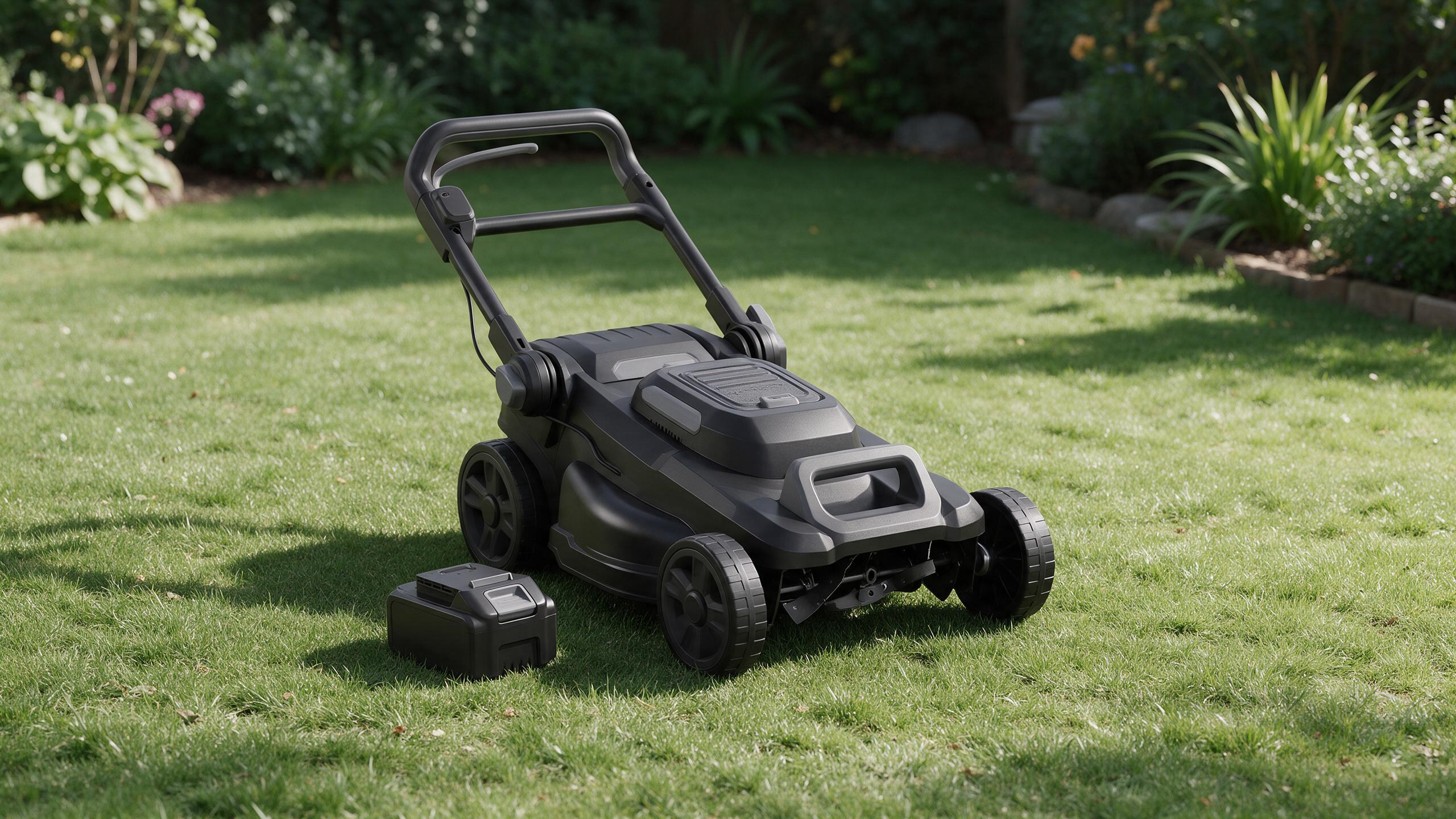
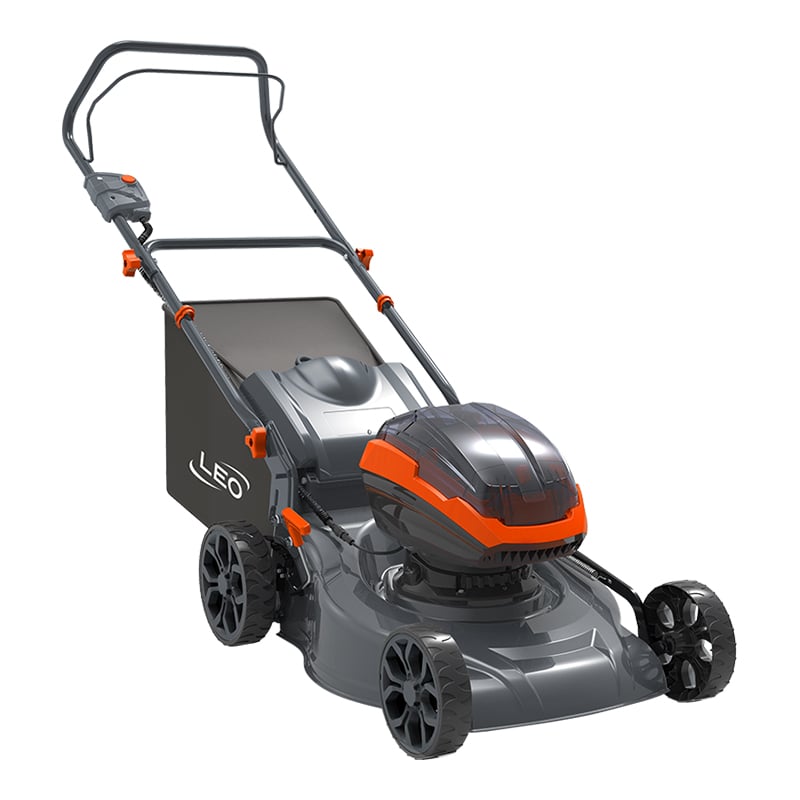
When a lawn becomes thick or slightly overgrown, the blade has more work to do. A lithium ion lawn mower may respond by drawing more battery power, slowing down, or adjusting its motor speed. The motor is part of that response, but it is not the whole story: blade design, battery capacity, electronics, and deck airflow also affect the result.
A brushless motor can reduce some losses associated with older brushed designs and give a controller more flexibility over how the motor operates. For a buyer or distributor, the practical question is not whether the label sounds advanced. It is how the entire mower behaves on the lawns it is meant to cut.
What changes inside a brushless motor?
Both brushed and brushless motors turn electrical energy into rotation through magnetic forces. In a brushed motor, physical brushes and a commutator switch current as the motor rotates. The brushes touch moving parts, so friction and electrical contact introduce losses and the brushes eventually wear.
In a brushless motor, an electronic controller switches current through the motor windings instead. There are no carbon brushes rubbing against a commutator. That removes one source of mechanical wear and contact loss, although the motor, controller, bearings, and battery still produce heat and experience other losses. Electronic control adds components too, so the design and service support still matter.
This distinction helps explain motor efficiency without turning it into a blanket promise. Two machines with different motors may also have different blades and batteries. A lithium ion lawn mower with a brushless motor is not automatically more efficient in every mowing condition than every brushed alternative.
How can motor efficiency affect battery runtime?
Less energy lost within the motor can leave more of the battery's stored energy available for cutting. The size of any runtime benefit depends on the workload and on the losses elsewhere in the power system. Tall growth, a low cutting setting, a dull blade, and self-propulsion can all increase the energy required for a pass.
Battery energy is often expressed in watt-hours. For a simple comparison, multiply nominal voltage by amp-hours: a hypothetical 36-volt, 5-amp-hour pack has about 180 watt-hours of nominal energy. That is not a promise of usable capacity or mowing time. Electronics, temperature, battery condition, and the discharge rate affect what the machine can actually deliver.
For a lithium ion lawn mower, compare watt-hours alongside the stated test conditions rather than looking at amp-hours alone. A larger battery can run longer while also adding weight and cost. If the supplier quotes a runtime, ask whether it was measured on short or dense growth, with the drive engaged, and at which cutting height.
What happens when cutting load changes?
The motor controller determines how current is supplied to the windings. Some mower designs adjust speed or power in response to load; others use different control strategies. Where load-responsive control is fitted and well calibrated, it can help a lithium ion lawn mower manage a change from an easy strip to a heavier patch. It does not make the blade immune to stalling, and the response varies by model.
Torque is the turning force at the shaft. It matters when resistance rises, but a single headline torque figure does not describe sustained cutting performance. Battery current limits, heat management, blade geometry, and the controller all influence how long a machine can maintain its work. Ask for a demonstration under a representative load rather than assuming that peak output tells the full story.
Consider a lawn with a shaded, thicker edge and an open section that is cut regularly. The same lithium ion lawn mower may use noticeably different amounts of energy in those two areas. Raising the deck for an initial pass on the heavier section and then returning at the desired height can reduce the strain on the mower. Follow the manufacturer's instructions and avoid operating in conditions the manual says are unsuitable.
Service and operating considerations
Because a brushless motor has no motor brushes to replace, it removes that particular service task. It does not remove the need to inspect the blade, clean the deck as instructed, check fasteners, or care for the battery. Bearings and electronics remain components that may eventually require attention. Before cleaning or inspecting a lithium ion lawn mower, switch it off and remove the battery or safety key as directed in the manual; wait for the blade to stop.
Brushless electric equipment may also sound different from a brushed machine, but blade airflow and vibration contribute to the sound of any mower. Check the declared sound information for the actual model rather than assuming the motor type alone determines noise. Store and charge the battery using the manufacturer's instructions, compatible charger, and recommended temperature range.
How to compare two machines fairly
A useful evaluation keeps the conditions similar. If you are assessing a lithium ion lawn mower for a home or a product range, request details that connect the motor to the complete machine:
- Battery and charging: Compare nominal voltage and watt-hours, the supplied pack, charging time, and availability of compatible replacement batteries.
- Cutting workload: Check deck width, height settings, blade condition, and whether a runtime claim includes a collection bag or mulching configuration.
- Drive and controls: Establish whether the machine is self-propelled and whether speed adjustment under load is actually included.
- Support: Ask about warranty terms, replacement blades, battery availability, and access to repair information for the target market.
For a side-by-side trial, begin with similarly charged packs and mow comparable areas at the same height and walking pace. Record the condition of the lawn and whether propulsion is used. Repeat when conditions are representative of the intended customer, and treat the result as evidence for those conditions rather than a universal runtime rating.
Is a brushless mower the right choice?
A brushless motor is a useful feature when its lower contact losses and electronic control are supported by a suitable battery, controller, and cutting deck. For a small, regularly maintained area, handling and battery compatibility may matter more than a difference in peak output. For a more demanding lawn, sustained performance and access to a spare battery deserve closer attention.
Choose a lithium ion lawn mower by comparing the complete power system, its documented specifications, and service support against the actual job. The result is a clearer buying decision than choosing on motor type alone.
 Hot News