
 EN
Gasoline Lawn Mower Buying Guide for Professional Landscaping Companies.
A professional crew does not buy a gasoline lawn mower for a single Saturday job. It buys a working asset that must start on schedule, cut consistently across changing turf conditions, and return to service quickly when a blade, filter, cable, or wheel needs attention. That changes the purchasing guide. For commercial equipment, engine output matters, but it is only one part of a useful decision.
For landscaping firms, the right gasoline lawn mower is the model that fits the route, the crew, the service plan, and the supplier relationship. A unit that looks economical at purchase can become expensive if it slows operators, needs frequent unscheduled repairs, or lacks parts during the busiest weeks.
Start with the work route, not the catalogue
Before comparing a gasoline lawn mower, map a typical week: lawn sizes, turf density, slopes, access openings, loading frequency, wet-weather work, and the number of properties per crew. A compact walk-behind machine may make sense where access is tight. On open grounds, a wider cutting deck can reduce passes, but it also adds weight and may be awkward around beds and narrow paths.
Do not select purely by horsepower. For a gasoline lawn mower, a landscaper should assess torque under load, deck airflow, drive engagement, traction, and how the machine handles damp or dense growth. Ask for a field demonstration using conditions close to your customer sites. If the supplier cannot support a practical trial, document what evidence was reviewed instead.
Set a commercial-duty specification
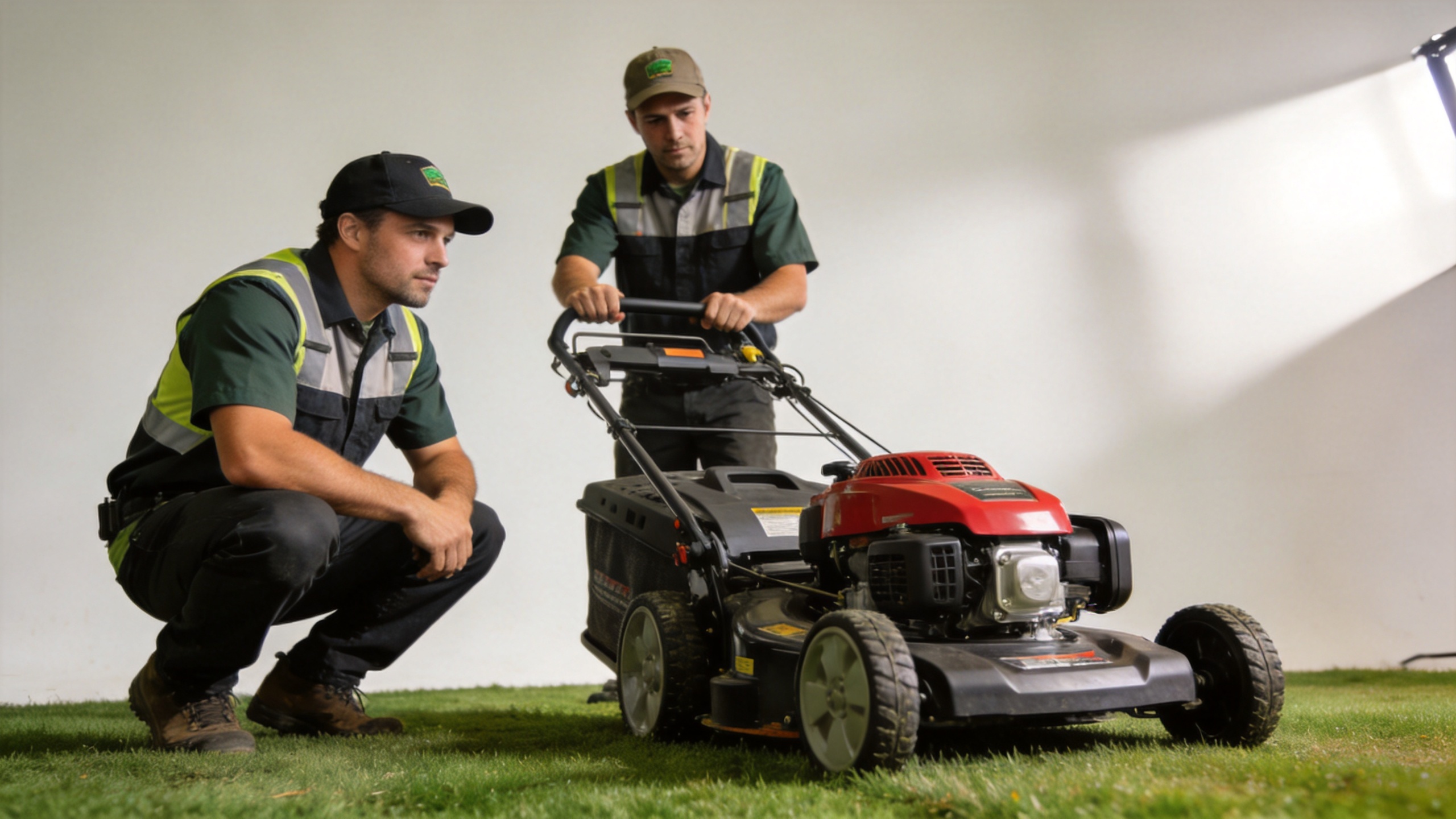
Commercial equipment should be specified around repeated use. Look at deck construction, handle joints, wheel bearings, blade mounting, controls, and transmission components. A heavy-duty deck can be relevant for a gasoline lawn mower that works daily, yet the purchasing decision should also consider corrosion protection, cleaning access, and whether normal wear parts can be replaced without excessive downtime.
- Cutting width and height adjustment: Match deck width to route productivity and access. Confirm how quickly the crew can change cut height between sites.
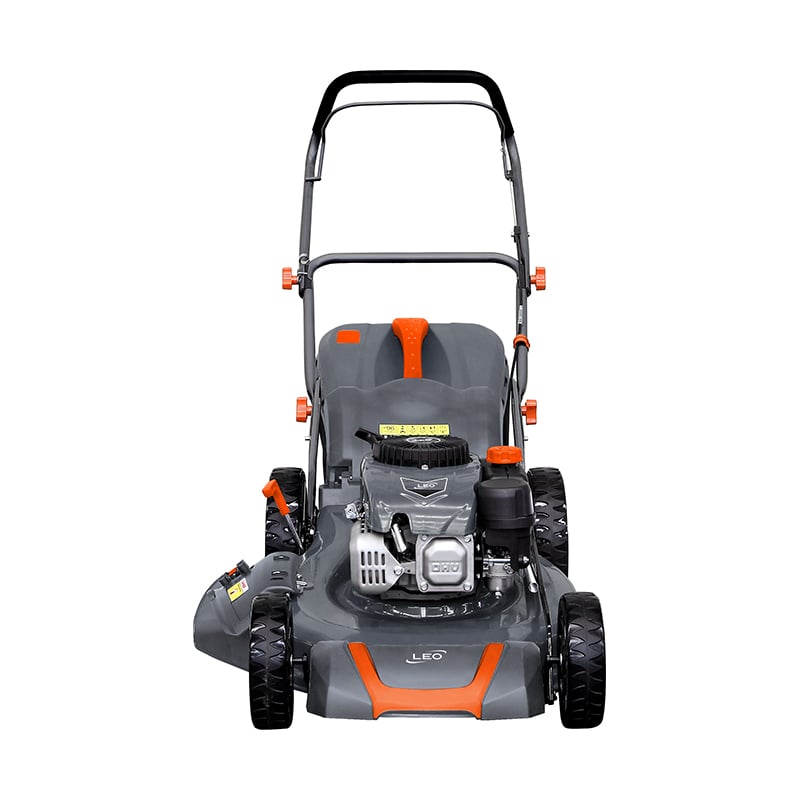
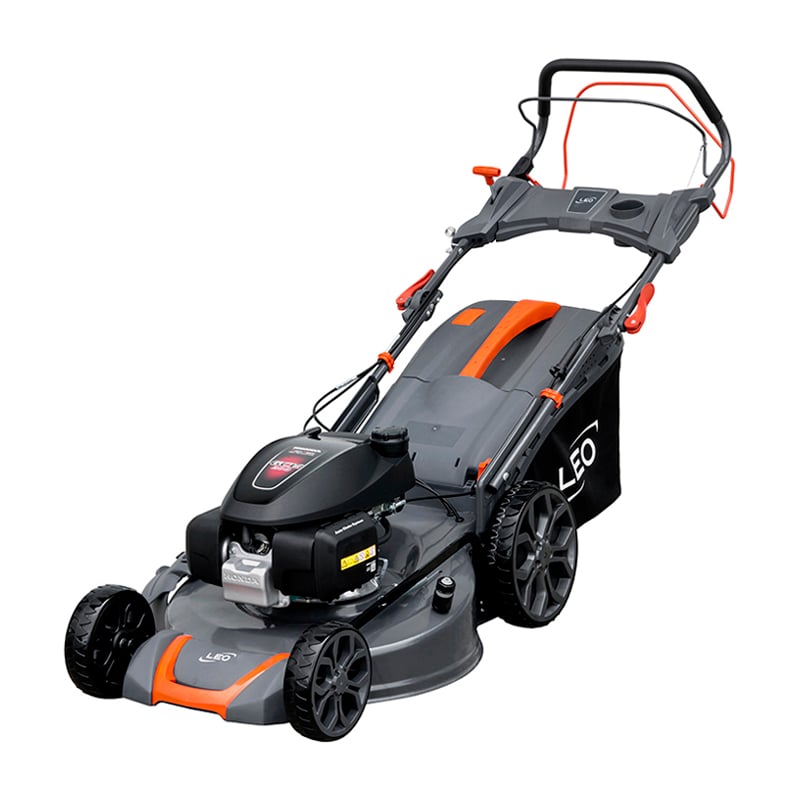
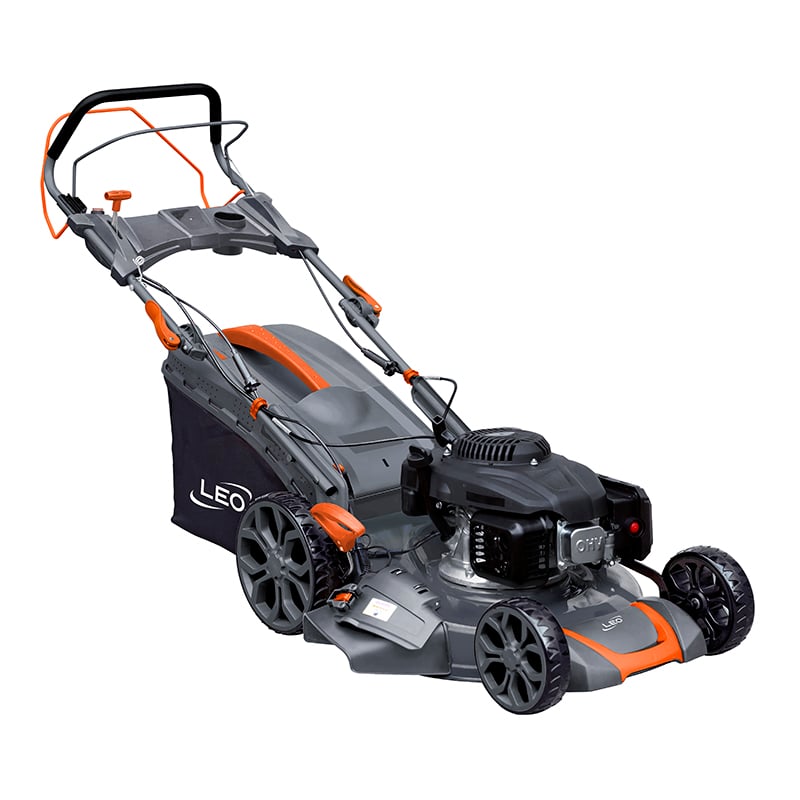
- Drive system: A self-propelled gasoline lawn mower can reduce push effort on longer routes and moderate gradients; test control feel with the operators who will use it.
- Collection, mulching, and discharge: Choose the working mode around clipping volume, finish expectations, and disposal workflow rather than treating every job alike.
- Operator comfort: Check vibration, handle adjustment, grip position, and control placement. Small discomforts multiply over a day of landscaping.
Calculate ownership cost per working season
For a fleet, the purchase price of a gasoline lawn mower is the opening number, not the decision. Build a simple purchasing guide that includes fuel, scheduled servicing, blades, filters, oil, repairs, transport time, and lost billable hours when a unit is unavailable. It depends on local labour rates and route density, but downtime should be assigned a real internal cost.
Compare each candidate on a common worksheet. Include expected service intervals, availability of common parts, warranty terms for commercial use, and response time from the supplier. A slightly higher initial cost may be reasonable when it gives the business clearer maintenance access and more dependable parts planning. The aim is not to buy the most heavily specified machine; it is to keep crews productive through the season.
Qualify the supplier as carefully as the mower
A gasoline lawn mower purchase is also a supplier decision. Request model-specific specification sheets, operating manuals, parts diagrams, maintenance schedules, warranty scope, packing details, and the documentation required in each destination market. For European distribution, buyers should review applicable safety, noise, and engine-emissions documentation with the supplier and their own compliance advisers. Requirements vary by market and power class, so avoid relying on a generic statement.
Ask how pre-shipment inspection is performed, how serial numbers are traced, and how the supplier handles a missing or damaged component. Landscaping companies that buy commercial equipment need an escalation path for service questions, not only a sales contact. A supplier with a structured spare-parts catalogue can make seasonal planning far easier.
Build safety and maintenance into the purchase
The safe choice of a gasoline lawn mower includes operator training and a repeatable inspection routine. Professional mowing guidance commonly calls for eye protection, hearing protection, steel-toed footwear, and close-fitting workwear. Teams should also check guards, blade condition, controls, fasteners, and the mowing area for debris before work starts.
Maintenance should be scheduled, not postponed until performance drops. Define who checks oil level, air filter condition, blade sharpness, drive response, and fasteners; record the work by machine serial number. This routine helps a landscaping manager identify recurring issues and gives the supplier useful evidence if a technical claim needs review.
A practical purchasing checklist
- Classify jobs by area, terrain, access, turf condition, and finish requirement.
- Shortlist each gasoline lawn mower against commercial-duty construction and operator usability.
- Test maneuverability, traction, cut quality, and loading workflow with the crew.
- Price the full operating picture, including service parts and downtime exposure.
- Review supplier documentation, commercial warranty terms, inspection process, and service contacts.
- Plan onboarding, PPE, daily checks, seasonal maintenance, and spare-parts stock before deployment.
When procurement is approached this way, a gasoline lawn mower becomes part of a reliable landscaping system rather than an isolated purchase. Zhejiang Leo Garden Machinery Co., Ltd. supports garden machinery sourcing conversations with product-range, export, and OEM/ODM information; request model-specific documentation and commercial terms before committing a fleet order.

 Hot News