
 EN
EN
What Makes a Silent Shredder Different from Traditional Garden Shredders?
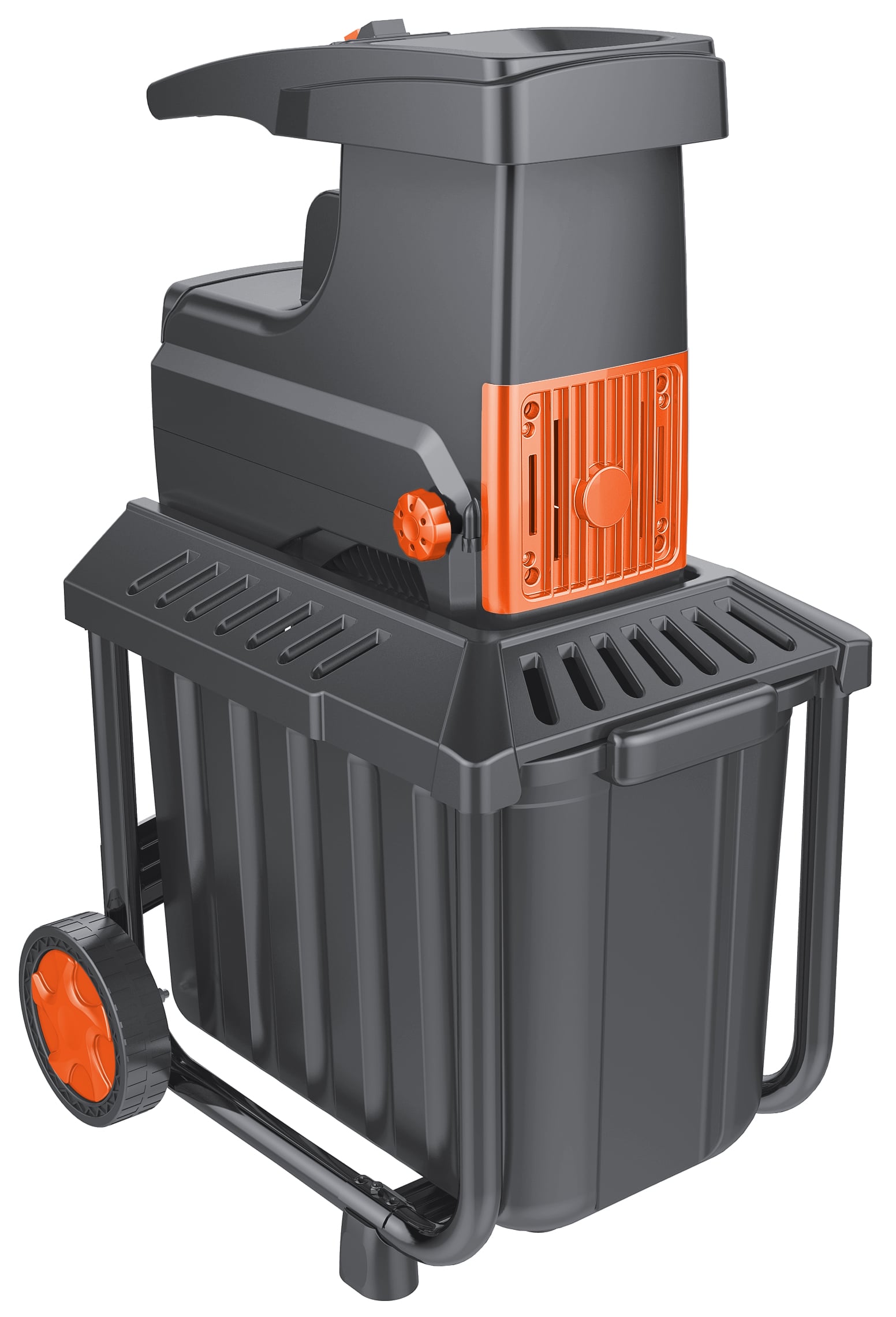
A silent shredder is not literally silent. It is a garden shredder designed around a slower crushing or roller-style cutting action, rather than the high-speed impact action common in many traditional blade machines. That difference changes the sound character, the way branches feed, the material each machine handles most effectively, and the kind of mulch you get at the end.
As a garden-machinery consultant, I would start with the waste pile rather than the marketing label. A quieter machine can be a suitable fit for a residential garden, but it is not automatically the best choice for every mix of leaves, hedge trimmings, and branches.
The main difference is the cutting mechanism
Most traditional garden shredders use fast-spinning blades or a turbine-like impact system. Material enters a funnel, meets the cutting element at speed, and is chopped by impact. This can process light, leafy material quickly, but it also creates the sharp, busy noise many people associate with an electric shredder.
A silent shredder, by contrast, commonly uses a toothed roller that pulls material against a fixed plate. It crushes and cuts progressively instead of striking material at high speed. The slower action is the foundation for noise reduction: there is less repeated high-speed impact and less airborne clatter from the cutting chamber. It is better described as lower-noise operation, not no-noise operation; the motor, branches, and collection container still make sound.
Why a low noise shredder sounds different
A low noise shredder usually produces a deeper, more intermittent working sound. The roller grips a branch, draws it in, and compresses it. A blade machine tends to make a faster, more continuous cutting sound because its blades remain in motion at high speed.
That matters in close-set homes. If you garden near a fence, patio, or neighbouring property, a silent shredder can make seasonal pruning feel less intrusive. Still, treat the label as a design clue rather than a guarantee. Compare the manufacturer’s declared sound figures for the exact model, use hearing protection where appropriate, and follow local rules on outdoor power-tool hours.
Feed behaviour: self-feeding versus fast feeding
The roller in a silent shredder often has a useful practical advantage: it can grab suitable woody branches and pull them in. That reduces the need to push material constantly, although you should not force waste into the hopper. For a gardener dealing with pruned twigs and straight-ish branches, this controlled feed can feel calmer and easier to manage.
Traditional blade shredders often reward a steady supply of dry, mixed garden waste. They can feel faster with soft stems and leafy material, but springy branches may need more careful feeding. Neither approach is universally superior. The better fit depends on whether most of your waste is woody pruning or loose green material.
Material suitability is where the trade-off becomes clear
| Garden-waste type | Silent shredder tendency | Traditional blade shredder tendency |
|---|---|---|
| Woody branches and hedge cuttings | Often a strong match when branches are within the model’s stated capacity. | Can handle them, but performance depends heavily on blade condition and feed technique. |
| Soft leaves and damp foliage | May compress or pass material less cleanly if it is very soft or wet. | Often better at rapidly chopping a loose mix of light material. |
| Mixed seasonal clear-up | Works well when woody material is the larger share and fed gradually. | Useful when speed with assorted lighter waste is the priority. |
| Dense thorny or tangled cuttings | Needs careful preparation; cut long tangled pieces shorter first. | Also needs careful preparation; do not use speed as a reason to force material through. |
Check the stated maximum branch diameter for the exact machine rather than assuming every silent shredder has the same capability. Diameter is only one limit: wood hardness, moisture, branch shape, and how recently the material was cut all influence real-world feeding.
Output texture and composting use
The crushing action of a silent shredder can leave a coarser, fibrous chip than a high-speed blade machine. For composting, that is not necessarily a drawback. Crushed woody pieces create surface area and can be blended with softer green waste. For paths or mulch, the result may be useful when you prefer a more natural-looking chip rather than very fine fragments.
If your goal is quick reduction of leaves into a fine material, a traditional blade design may be more convenient. This is one of those cases where a quiet garden tools purchase should be decided by the end use as much as by the sound level.
Maintenance and safety still matter
A quieter mechanism does not remove the need for safe working habits. Disconnect an electric shredder before clearing a jam, use the supplied tamper rather than hands, wear eye protection and gloves, and place the machine on stable ground. Current electric shredder safety standards address areas such as guarding and containment, but the manual for the actual model remains the correct operating reference.
Roller systems may need adjustment as the cutting plate wears; blade systems may need sharpening or blade replacement. Before buying, check how that routine is performed, whether replacement parts are available, and whether reverse operation is provided for a blockage. A small maintenance difference can have more impact on long-term satisfaction than a headline power rating.
Which option is right for your garden?
- Choose a silent shredder if your main priority is a lower-noise experience with regular woody pruning, especially in a residential setting.
- Consider a traditional blade shredder if you mainly process light, leafy, soft, or mixed material and value rapid reduction over a quieter feed cycle.
- Compare the exact branch-capacity rating, collection setup, reverse function, service access, and stated sound data before deciding.
I used to prioritise quietness above everything else when comparing garden machines. It took a while to realise that throughput and output consistency matter just as much when a big clear-up is waiting. A silent shredder is different because of how it works, not just because of what it is called. Match that mechanism to your typical waste, your neighbours, and the mulch you want to make, and the choice becomes much clearer.
 Hot News