
 EN
EN
Maintenance Practices for Improving Silent Shredder Working Efficiency
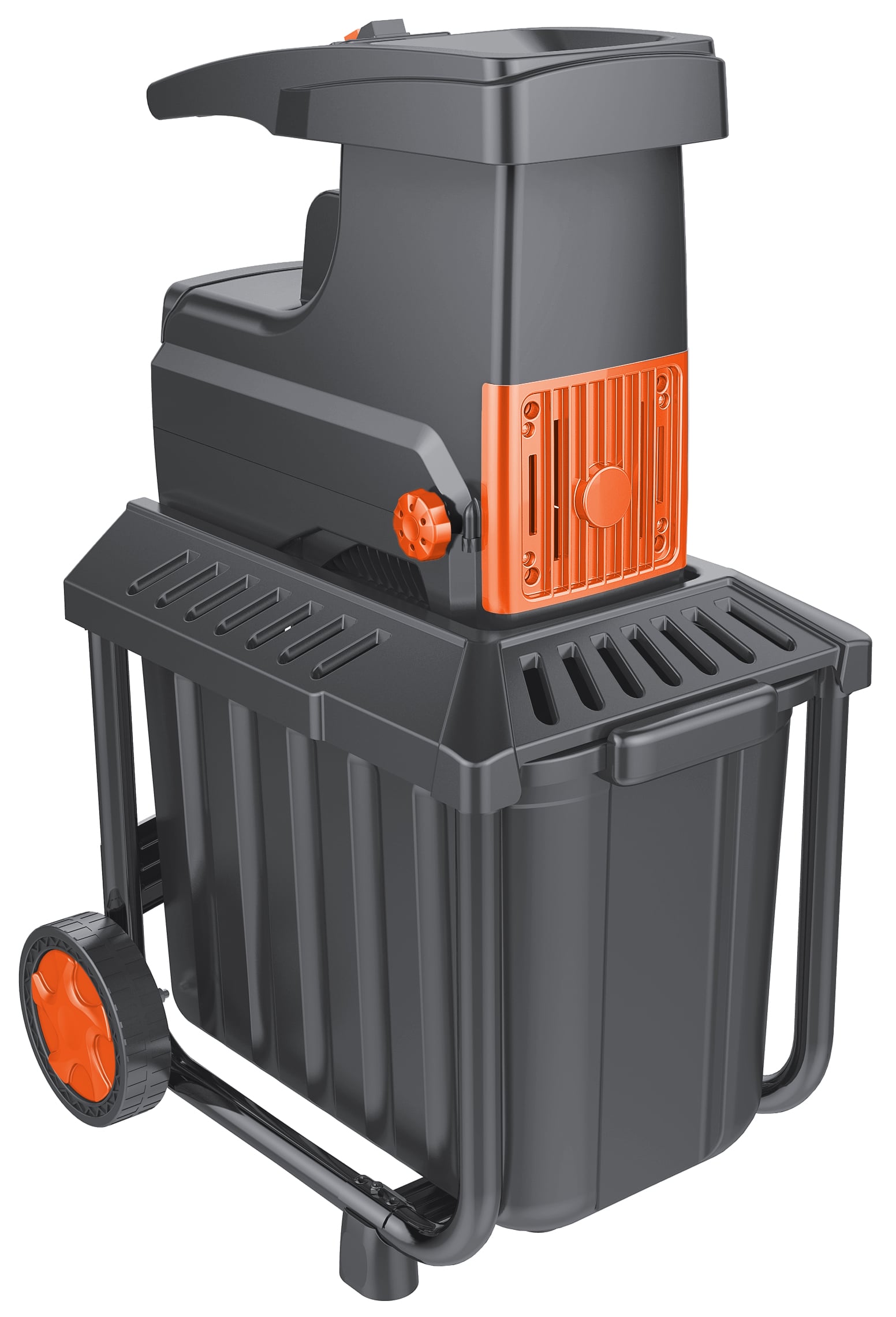
A silent shredder earns its place in a garden because it turns pruning waste into manageable material without dominating the day with noise. Yet quiet operation does not mean carefree operation. When a roller, cutter, feed path, or discharge area is dirty or neglected, the machine may pull material slowly, clog more often, or leave rougher output. A repeatable maintenance routine helps a silent shredder work more steadily while making each job safer and less frustrating.
This guide is written for garden owners and routine operators who want practical, manufacturer-neutral habits. Use the instructions supplied with your particular machine first: controls, permitted material, isolation steps, and service intervals differ by model.
Start with the right goal: steady feeding, not maximum loading
Working efficiency is not simply the fastest possible feed rate. With a silent shredder, it is the amount of garden waste processed with few interruptions, clean discharge, and no avoidable wear. Feed material at a pace that lets the cutting system grip it. Forcing a bundle into the hopper can compact leaves around woody stems and create a blockage that takes longer to clear than a slower, more deliberate feed would have taken.
Sort waste as you work. Keep soil-covered roots, stones, wire, plant ties, and other foreign objects away from the hopper. Mix soft leafy material with suitable dry twigs only when your manual allows it, rather than packing either material into a dense mass. This simple preparation supports garden machine care and helps the mechanism work within its intended load.
Use a pre-start inspection that takes only a few minutes
For dependable shredder maintenance, make this short inspection a fixed part of every setup. It is also a practical form of garden machine care: problems found before power is connected are easier to correct than a blocked feed path during a job.
Before connecting power, place the machine on stable, level ground and check that the collection box or discharge route is positioned correctly. Look into the hopper only with the machine isolated as the manual directs. Remove loose debris with a brush or appropriate tool; do not reach into a feed opening with your hands.
- Inspect the power lead, plug, switch area, and guards for visible damage.
- Confirm that covers, interlocks, and the collection container are seated as designed.
- Check the hopper and discharge opening for old material that could restrict airflow or movement.
- Make sure the branch diameter and material type match the limits in the operator manual.
- Keep a clear working zone so a pause for a jam does not become a trip hazard.
These checks are not a substitute for equipment service, but they catch the small issues that most often interrupt a session. If a guard, cable, control, or safety device is damaged, stop and arrange qualified repair rather than trying to work around it.
Clean after every use to protect throughput
Good blade cleaning begins with isolation and ends with a clear material path. It is not a reason to dismantle a machine beyond the level permitted in its manual.
Blade cleaning is often described as a cosmetic task, but it directly affects how freely material moves. Sap, damp leaf fragments, and compacted chips can build up around the feed and discharge areas. Once the machine is unplugged or otherwise isolated, wait for all movement to stop. For petrol-driven equipment, also follow the manual’s cooling and ignition-isolation instructions before cleaning.
Use a soft brush, wooden tool, or the manufacturer-recommended implement to clear the hopper, discharge chute, collection box, and accessible exterior surfaces. Do not use a pressure washer unless the manual specifically permits it; water can reach places where it does not belong. Wipe the exterior dry and keep vents free of dust. The goal is simple: begin the next session with an open path for material rather than yesterday’s compacted residue.
Pay particular attention after shredding wet material. Wet clippings and leaves can bind together, so allow them to dry when practical and pause before they become a packed plug. A brief cleaning break is usually more productive than repeatedly reversing or overloading the machine.
Inspect the cutting system without guessing at adjustments
A silent shredder may use a roller-style cutting system rather than a conventional high-speed blade. That does not remove the need for inspection; it changes what you should inspect. Reduced self-feeding, repeated stalling, unusually crushed output, or frequent jams can indicate that the cutting area needs attention. However, adjustment procedures and clearances are model-specific.
Follow the manual for any cutter or counter-plate adjustment. Do not improvise with files, shims, or unapproved lubricants. If the machine has removable blades, use only the prescribed replacement parts and torque procedure. Blade cleaning should remove residue, not turn into unapproved sharpening. When wear, cracks, bent components, or persistent poor cutting appear, book equipment service with a qualified technician or authorised service provider.
Feed branches in a way that keeps the silent shredder moving
Efficient feeding is mostly about consistency. Feed one branch or a manageable small bundle at a time, keeping it aligned with the hopper. Let the mechanism take hold before adding more material. Very forked branches can snag, so trim or separate them when the manual recommends it. If the machine begins to labour, stop adding material rather than pushing harder.
Use the reverse function only as instructed and only after stopping the feed. It can help release a light obstruction, but repeated reversing is a signal to inspect the material mix or clean the chute. Do not use hands, feet, or improvised metal tools to force material through. The safest way to improve working efficiency is to prevent the blockage in the first place.
Create a sensible maintenance schedule
Regular equipment service complements routine operator checks. Schedule it when the manual calls for it or when normal cleaning no longer restores reliable operation.
| When | Practical action | Why it matters |
|---|---|---|
| Before each use | Inspect guards, cables, hopper, discharge area, and stable placement. | Reduces avoidable stops and identifies visible safety issues. |
| After each use | Isolate power, clear accessible debris, clean the collection area, and wipe the exterior. | Prevents residue from drying into a restriction. |
| During the season | Check cutting performance and follow the manual’s adjustment and lubrication instructions. | Helps maintain predictable feeding without unsupported adjustments. |
| Before storage | Clean thoroughly, inspect for damage, store dry, and arrange equipment service if faults were found. | Sets up a reliable restart next season. |
Record recurring symptoms in a small log: material being processed, weather conditions, the symptom, and what resolved it. That record is useful when speaking with a service technician and helps distinguish a one-off wet-material blockage from a developing mechanical issue.
Know when cleaning is no longer enough
Stop using the machine and seek professional help if it trips repeatedly, produces smoke or a burning smell, vibrates abnormally, has damaged guards or cables, or will not operate with safety interlocks correctly fitted. The same applies when a silent shredder still performs poorly after normal cleaning and the approved adjustment checks. Continued operation can turn a manageable repair into a larger one.
For distributors and garden-equipment teams, a clear handover of operating and maintenance instructions is part of good garden machine care. LEO Garden’s focus on garden machinery, including shredders and mulchers, reflects the importance of matching the tool and its care routine to real garden work. Actual product specifications and service requirements should be confirmed against the relevant model documentation.
Make maintenance part of the workflow
Put shredder maintenance on the task list beside pruning and collection. This approach to garden machine care makes routine blade cleaning and timely equipment service easier to remember.
A useful maintenance routine happens at the right moment: a quick inspection before starting, sensible feeding during use, and a thorough but simple clean afterward. Those habits keep a silent shredder available for the next pruning task, reduce the chance of interruptions, and support more consistent output. Treat cleaning and inspection as part of the job, not an extra chore after it.

 Hot News