
 EN
Key Factors to Consider When Buying Garden Machinery from Manufacturers.
For an importer, distributor, or private-label team, buying garden machinery is not simply a matter of comparing unit prices. The harder question is whether the manufacturer can repeatedly deliver the agreed machine, documents, packaging, and support for your market. An experienced machinery buyer therefore assesses the supplier and the product together before committing to a seasonal order.
This guide sets out a practical way to evaluate garden machinery manufacturers. It is designed for buyers sourcing mowers, shredders, mulchers, tillers, pumps, or related outdoor equipment, where an attractive sample alone does not establish that production batches will meet the same standard.
1. Start with a clear product and market brief
Before approaching an OEM supplier, define the use case, sales channel, target price band, anticipated order volume, and destination market. A distributor selling to residential users may prioritise ease of operation, noise, storage, and spare-parts availability. A commercial customer may put more weight on durability, repairability, and service intervals. Those are different garden machinery briefs, even when the product category is the same.
Turn the brief into an approval sheet. Specify the power source, expected duty cycle, terrain, key safety functions, carton and labelling requirements, manuals, accessories, acceptance criteria, and the documents required for import. This gives each manufacturer the same basis for quotation. It also makes later comparison more useful: a lower quote is meaningful only when it covers the same garden machinery configuration and service scope.
2. Make factory selection evidence-based
Start factory selection with questions you can actually verify. Ask what portion of the process is managed in-house, which components are sourced externally, how engineering changes are controlled, and how the factory distinguishes a trial sample from serial production. Request a current production overview, product-range information, and a clear point of contact for technical questions.
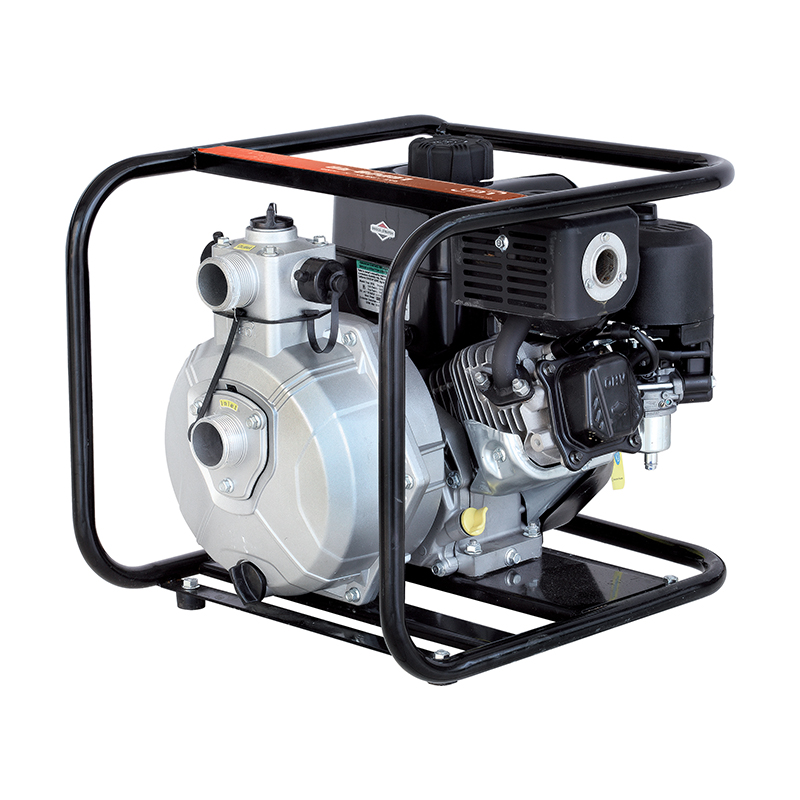
For garden machinery, category familiarity matters because the likely failure modes differ among cutting equipment, battery tools, petrol machines, and water pumps. Ask the manufacturer to explain which tests are relevant to the proposed model and which records can be shared. A useful answer links the proposed machine to its application instead of falling back on broad claims about factory size.
It is also sensible to check how the supplier handles OEM work. A private-label OEM supplier should be able to define what can change—such as branding, packaging, labels, or a specification option—and what requires engineering validation. Treat promises of unlimited customisation cautiously unless the change-control process, lead time, and sample approval route are documented.
3. Verify compliance and documentation early
Documentation should be reviewed before purchase-order release, not after the goods are packed. The documents needed for garden machinery depend on the machine type and destination, so buyers should confirm current obligations with qualified local advisers. For equipment entering the EU, ask which conformity assessment materials, declarations, test evidence, noise or emissions information, and user instructions apply to the exact model.
This is particularly important as Machinery Regulation (EU) 2023/1230 becomes mandatory for covered machinery on 20 January 2027. The date does not make every product identical, and it is not a substitute for product-specific advice. It does underline why a machinery buyer should request a traceable compliance file, model identifiers, and a process for updating documents when a component or specification changes.
4. Look behind the sample at quality control
A sample can demonstrate design intent; it cannot by itself demonstrate repeatable quality control. Ask how incoming components are checked, how critical assembly steps are recorded, what functional tests are performed, how defects are classified, and who can release a batch for shipment. The answer should identify records and responsibilities, not only a final visual check.
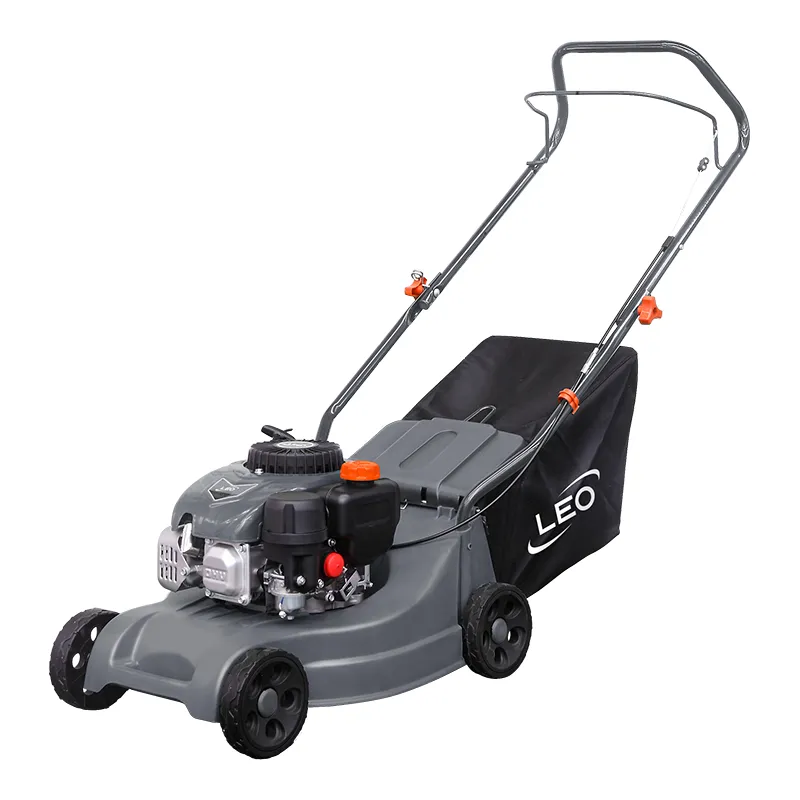
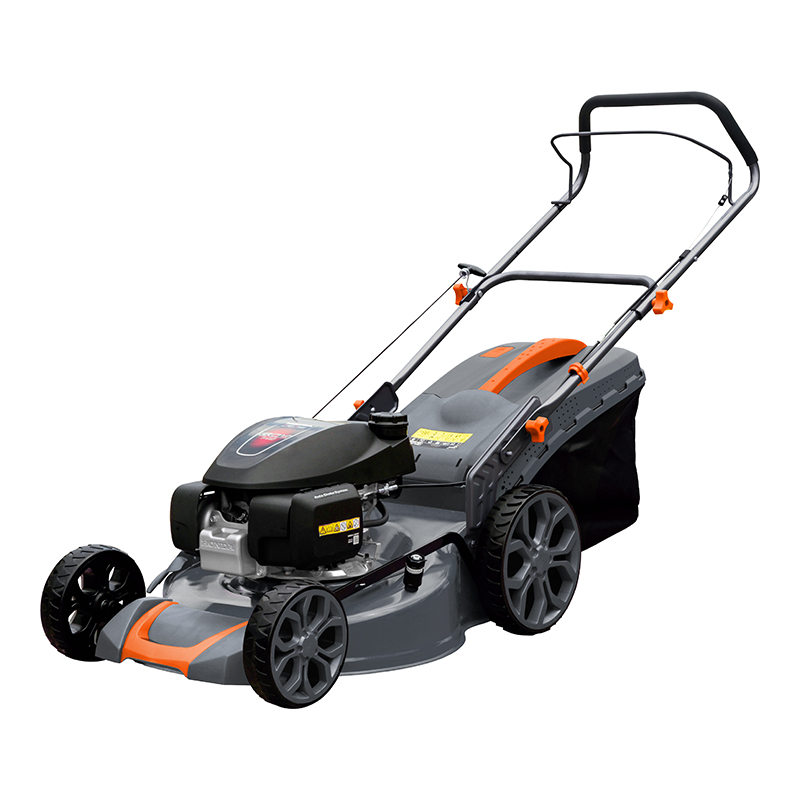
Build an inspection plan into the contract for your garden machinery. It may cover quantity, appearance, function, safety-related checks, accessories, carton markings, manuals, and packaging condition. For a mower, for example, the plan may address starting, drive or blade engagement where applicable, controls, fasteners, and labelling. For battery-powered garden machinery, it may also address the correct battery and charger documentation. The exact tests should reflect the approved specification.
Pre-shipment inspection is most useful when the buyer, factory, and inspector use the same written checklist. Define the sample size, acceptance threshold, photo requirements, rework process, and the decision authority if results are disputed. That approach gives quality control a commercial role instead of leaving it as an informal discussion at the end of production.
 A documented inspection plan helps align buyer, factory, and inspector expectations.
5. Test the supplier's communication and change management
Responsiveness is part of product quality, too. During quotation and sample development, notice whether questions are answered with model-specific information, whether revisions are tracked, and whether the factory flags uncertainty. A supplier that says a requested change needs engineering review may be more credible than one that agrees immediately without discussing consequences.
For recurring garden machinery orders, require written notification before substitutions to motors, decks, batteries, controls, packaging, or safety-related parts. The same applies to tooling changes and revised manuals. This is not administrative detail; a small substitution can affect the specification, documentation, service parts, and customer experience.
6. Assess parts, warranty, and commercial readiness
Ask how the manufacturer supports machines after arrival. A useful proposal for garden machinery should explain the spare-parts catalogue, part identification, order process, response route for technical questions, and warranty-claim evidence required. Do not assume that a factory can supply a component quickly simply because it supplied the original machine.
Discuss seasonal timing as well. Garden equipment demand often concentrates around local growing seasons, so production capacity, component availability, and shipping milestones should be aligned to the buyer's launch calendar. An OEM supplier that can discuss packaging, document readiness, inspection timing, and parts planning alongside unit price is easier to assess as a long-term partner.
A practical scorecard for the machinery buyer
Use a weighted scorecard after each factory review. Score the proposed garden machinery on product fit, verified documentation, factory capability, sample and batch controls, communication, customisation discipline, commercial terms, parts support, and delivery planning. Attach evidence to each score: a drawing, report, procedure, approved sample record, or written answer.
You do not need to force the outcome into a single winner. One supplier may suit a small pilot while another is better equipped for a full private-label programme. What matters is that the final decision reflects the evidence available for the exact garden machinery programme, not an assumption based on a catalogue or price list.
Questions to ask before placing an order
- Which model-specific tests and documents can you provide for this garden machinery order?
- How will you control specification changes after sample approval?
- What are the in-process and final quality control checkpoints?
- How can an independent inspection be arranged before shipment?
- Which spare parts, manuals, and service information will be available after delivery?
- Which items can be customised by an OEM supplier, and what validation is required?
Conclusion
Buying garden machinery from manufacturers is a supplier-qualification exercise as much as a product purchase. Define the market brief, conduct disciplined factory selection, verify documents, establish inspection criteria, and test how the supplier manages changes and after-sales needs. With that evidence in place, a machinery buyer can compare offers on operational value rather than headline price alone.
 Hot News