
 EN
How to Store a Cordless Lawn Mower During Winter?
A cordless lawn mower earns its keep in the growing season, then often gets pushed into a shed until spring. That is understandable, but it is not ideal for the machine or its battery. Proper winter storage is less about a long list of chores than doing a few things in the right order: separate the power source, remove grass and moisture, protect moving parts, and choose a dry indoor place. As garden machinery technical consultants often find during preseason checks, most avoidable battery and starting problems begin with how a cordless lawn mower was put away months earlier.
This guide gives homeowners a practical routine. It also explains which points must come from your own manual, because battery chemistry, charge indicators, and approved storage temperatures differ between cordless lawn mower systems.
Why winter storage matters for a cordless lawn mower
Cold, damp storage can create two separate problems. Moisture left under the deck encourages corrosion and dried grass can trap water against the housing. At the same time, a lithium-ion pack does not benefit from spending an entire winter in a freezing shed, connected to a charger, or fitted to the mower. A cordless lawn mower may look fine from the outside while its removable battery has been exposed to conditions that reduce available runtime or delay charging in spring.
The sensible approach is to treat the mower body and battery as separate items. The mower needs cleaning, a dry resting position, and a basic inspection. The battery needs a stable indoor environment and the manufacturer’s specified storage charge. That division is the heart of good winter storage.
Step 1: Shut down safely before any mower maintenance
Park the cordless lawn mower on level ground and turn it off completely. Remove the battery pack and, where fitted, the safety key. Keep the key with the battery rather than leaving it in the mower. Do not clean, turn over, or inspect a cordless lawn mower while the battery remains installed.
Wait until the blade has stopped and the deck is cool. Wear sturdy gloves when working near the blade. If you need to tip the machine, first check the manual for the approved orientation; some models have specific guidance to keep water away from controls or electrical connections.
Step 2: Clean the deck and exterior thoroughly
Start mower maintenance with dry removal rather than a high-pressure wash. Brush or scrape away compacted grass from the underside of the deck, discharge area, wheels, and collection bag. A wooden or plastic scraper is gentler than a metal tool on painted or coated surfaces. Wipe the top cover, handle, and battery compartment with a lightly damp cloth, then dry every surface.
Pay special attention to ventilation openings and the battery contacts. Do not spray water directly into the motor housing, controls, or charging port. Once the cordless lawn mower is clean, leave it in an airy place until no moisture remains. Storing it wet undoes the benefit of cleaning it.
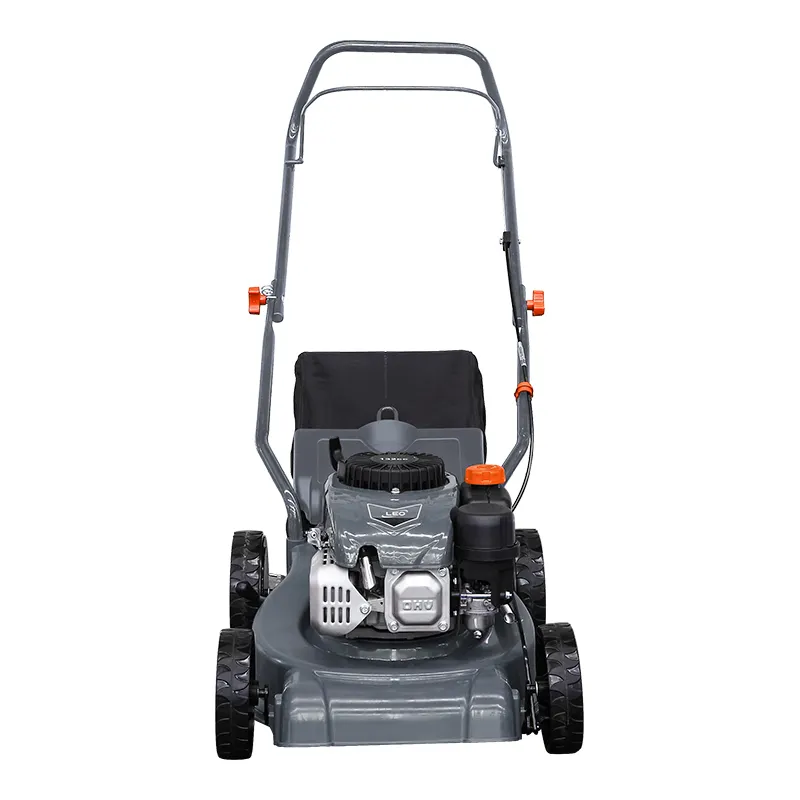
Step 3: Inspect the blade, wheels, and fasteners
Winter is a convenient time to look for damage that is easy to miss during weekly mowing. Examine the blade for nicks, bends, cracks, or severe wear. A dull blade tears grass rather than cutting it cleanly, so arrange sharpening or replacement if the manual permits user service. Do not straighten a bent blade yourself.
Check that wheel hardware, folding-handle locks, grass-box latches, and visible fasteners are secure. Remove tangled grass from wheel axles. This small mower maintenance check makes spring setup faster and helps you spot a repair before the first busy mowing weekend. If a part appears damaged, use the manufacturer’s service route rather than guessing at a replacement.
Step 4: Give battery protection its own routine
Battery protection is the most important part of storing a cordless lawn mower. Remove the pack from the machine and charger. Inspect its casing, terminals, and release mechanism. If you see swelling, cracking, leaking, unusual heat, or damaged contacts, do not charge or store the pack with household items; follow the manufacturer’s battery safety instructions or contact an approved service provider.
For an undamaged pack, check the owner’s manual for its recommended storage charge. Many lithium-ion systems call for a moderate charge rather than storage when fully depleted or permanently on a charger, but there is no universal percentage. Follow the indicator guidance supplied for your exact cordless lawn mower and battery platform.
Store the battery indoors in a dry, temperate location away from direct sun, heaters, metal objects, children, and damp concrete floors. Published guidance differs by brand: examples commonly place the suitable range around ordinary indoor temperatures, while some manuals state narrower limits. Your own manual is the final word. The charger should also be unplugged and stored dry, with its lead loosely coiled rather than pinched.
Step 5: Choose a clean, dry place for the mower
A garage, utility room, or dry shed can work for the mower body if it stays protected from rain, condensation, and freezing water. Fold the handle only as the manual directs, and avoid placing heavy boxes on top of a cordless lawn mower. If space allows, store it upright only when the manufacturer explicitly approves upright storage. Otherwise, keep it on its wheels on a dry floor or shelf system.
A breathable cover can keep dust off, but do not wrap a damp mower in plastic. Trapped condensation is bad garden care and bad storage practice. If your shed becomes very cold or humid, move the battery indoors even if the mower stays outside the living space.
A simple winter storage checklist
- Turn off the cordless lawn mower, remove the battery, and remove the safety key.
- Brush off grass, dry the deck, and clear vents without forcing water into electrical parts.
- Inspect the blade, wheels, handle locks, and visible fasteners.
- Store the battery at the charge level and temperature stated in its manual.
- Keep the battery and charger dry, indoors, and away from heat or conductive objects.
- Put the clean mower in a dry location without heavy items stacked on it.
What to do when spring arrives
Before the first cut, bring the battery to room temperature if it has been stored somewhere cool. Inspect the cordless lawn mower again, fit the battery only after the compartment is dry, and charge it according to the manual. Test the controls and safety features in a clear area before mowing. Check blade condition, wheel movement, and grass collection parts one more time.
For good garden care, make the first cut conservative: do not remove too much grass at once, especially if lawns are wet or growing quickly. A clean deck, sharp blade, and correctly stored battery help your cordless lawn mower start the season ready for routine work.
Common storage mistakes to avoid
Do not leave a cordless lawn mower with its battery fitted for the whole winter. Do not store a wet machine under an airtight cover. Do not assume every battery should be charged to the same level, and do not charge a cold pack unless its manufacturer allows it. Finally, do not ignore a damaged battery case merely because the mower still ran last season.
A careful winter routine is practical mower maintenance, not unnecessary fuss. Clean the mower, follow the manual for battery protection, and keep both parts dry. When spring returns, the cordless lawn mower will be easier to inspect, charge, and put back to work.
 Hot News