
 EN
How to Compare Different Gasoline Lawn Mower Engine Sizes?
Choosing a gasoline lawn mower by engine size alone can lead to the wrong machine for the work. Engine displacement, usually shown in cc, is useful because it indicates swept cylinder volume. It is not a direct promise of cutting performance. A suitable gasoline lawn mower must keep the blade working through the cutting conditions, move the machine across the site, and fit the operator’s expected mowing routine.
For distributors, dealers, and buyers building a range, the practical question is not “Which engine is biggest?” It is “Which engine, deck, drive system, and service plan fit this use case?” This guide turns engine power into a clearer mower selection decision.
Start with the work, not the cc figure
A smaller-engine gasoline lawn mower can be appropriate for regularly cut, level lawns with dry lawn growth and a modest deck. A larger-engine gasoline lawn mower has more reserve when the load rises: taller lawn growth, damp clippings, denser lawn growth, slopes, a wider cutting deck, or a self-propelled drive can all ask more of the engine.
That does not mean a larger number necessarily improves the result. An oversized engine can add cost, weight, fuel use, and inventory complexity without solving the buyer’s real constraint. Before comparing models, document the mowing area, cutting frequency, lawn-growth type, usual lawn growth height, slope, bagging or mulching requirement, and expected hours of use. Those inputs make a performance comparison meaningful.
Understand what engine size tells you—and what it does not
In a gasoline lawn mower, cc describes displacement; it does not convert neatly into horsepower. Published power can depend on the test method and engine speed, while usable torque under load matters when the blade meets dense lawn growth. A good specification review asks for the engine’s rated operating information, torque curve or comparable load information where available, blade and deck configuration, and the conditions behind any power claim.
One useful field observation is that buyers often keep checking displacement until they mow a slope or a patch of heavy lawn growth. Then they see that sustained torque, traction, blade condition, and ground speed are just as important. It is more useful to assess a gasoline lawn mower as a complete system than as an engine label attached to a deck.
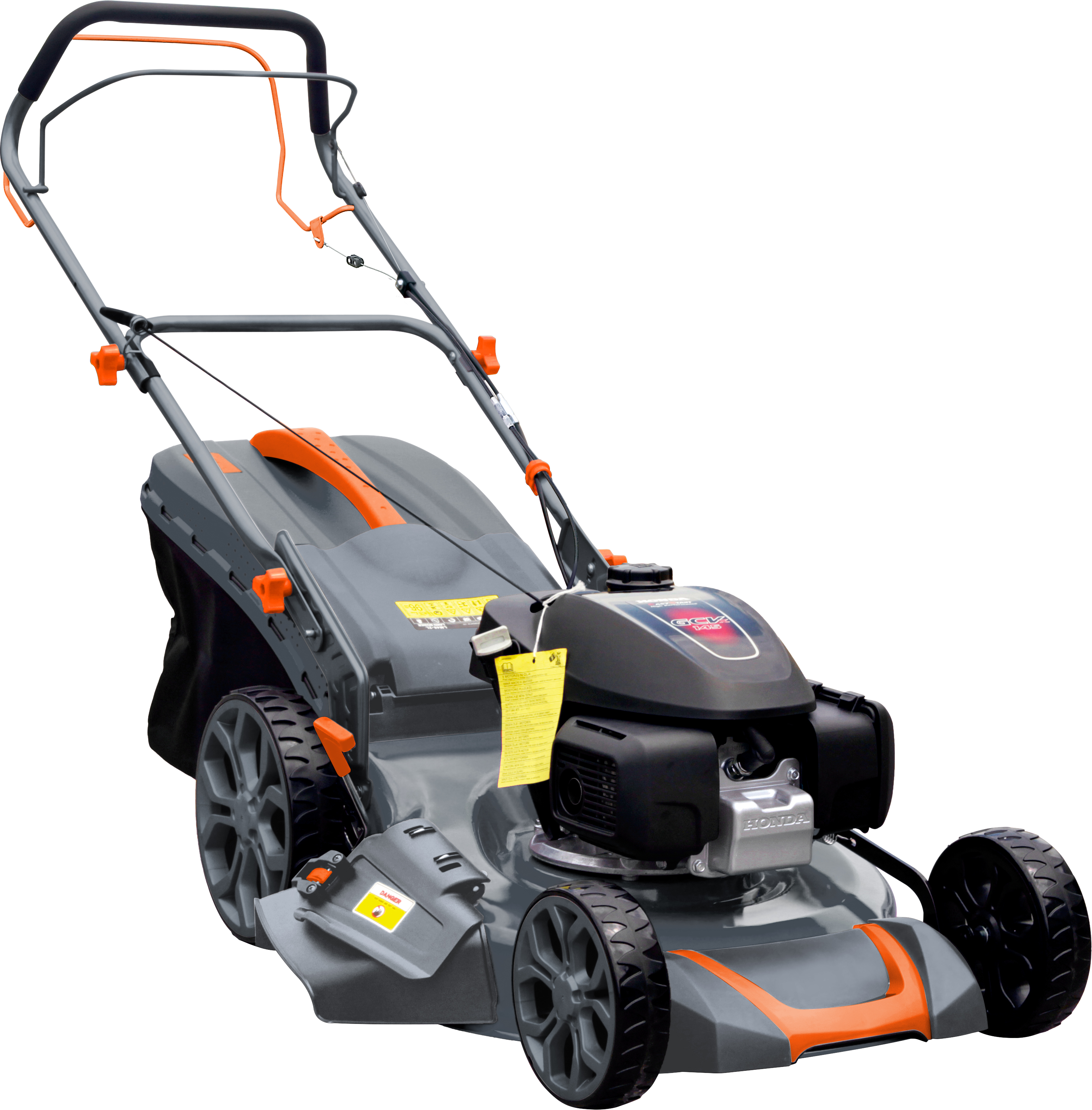 Compare engine capacity with the mower’s deck, terrain, and expected cutting load.
Compare engine needs by mower format
Walk-behind gasoline lawn mower applications
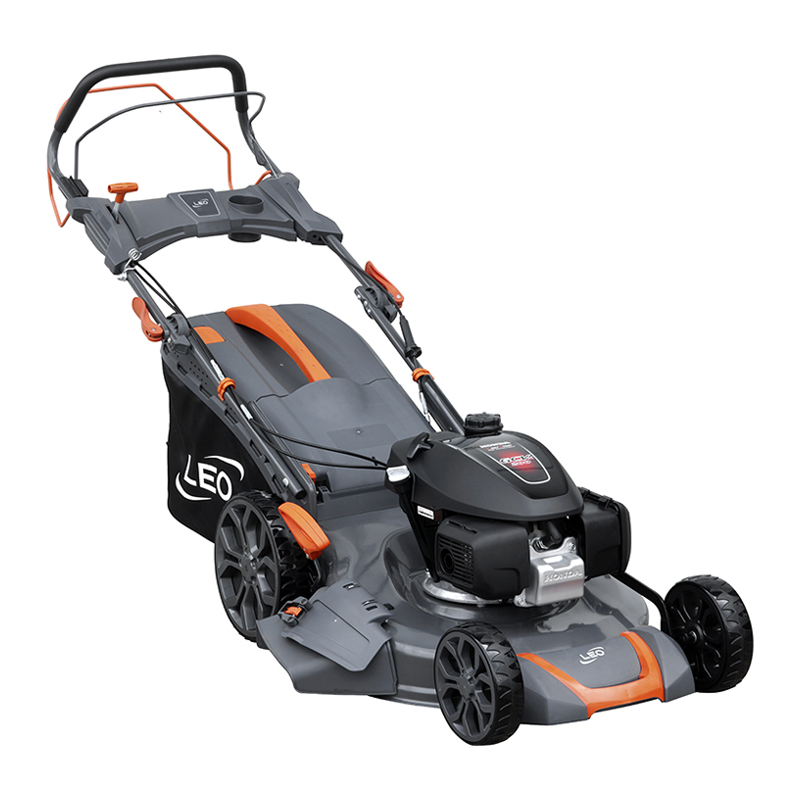
For a walk-behind gasoline lawn mower, engine demand is closely connected to cutting width, discharge method, and whether the operator pushes the machine. A regularly maintained, smaller lawn may not need a large displacement engine. However, a wider deck, frequent bagging, mulching in heavier growth, or uneven terrain can justify more power reserve.
Self-propelled designs deserve separate attention. The drive system reduces pushing effort, especially on moderate slopes, but it also places another demand on the powertrain. In this category, compare the drive response, walking-speed range, traction, and how the mower behaves with the bag loaded—not simply the engine figure.
Ride-on and larger-area applications
A ride-on gasoline lawn mower works under a different load profile. It may carry a wider deck, transmission demands, greater mowing hours, and more continuous cutting. Engine sizing should be reviewed alongside deck width, terrain, towing restrictions if relevant, cooling arrangement, fuel capacity, and service intervals. For buyers selecting equipment for a mixed site, a gasoline lawn mower with sufficient load reserve can help maintain a consistent cut when lawn growth is more demanding, but only when the rest of the machine is matched to it.
Use lawn growth and terrain to test the proposed engine size
Ask the supplier or product team to discuss four operating situations: routine dry cutting, taller overdue lawn growth, moist lawn growth, and slopes. A gasoline lawn mower that is satisfactory in the first condition may slow down or leave clumps in the others. The first time a user tries to mulch after wet weather, repeated deck clogging can appear. The clipping-clump density and cutting practice may be the main cause, rather than a lack of engine capacity.
For garden tools buyers, it also helps to compare the recommended cutting-height adjustment, deck cleaning access, blade maintenance, and guidance on how much lawn growth to remove in one pass. A larger engine cannot compensate for a dull blade, an overloaded deck, or unsuitable cutting conditions.
Build a practical comparison sheet
For every candidate gasoline lawn mower, use the same questions:
- What lawn size, mowing frequency, and lawn growth condition is the mower intended to serve?
- How do engine displacement, rated operating output, and torque-related information compare under stated conditions?
- What are the deck width, blade arrangement, cutting-height range, and discharge options?
- Is the mower push, self-propelled, or ride-on, and how does that change the load?
- What happens on inclines, with a collection bag, or when lawn growth is denser than normal?
- Which maintenance parts are routine, and can the supplier support local parts planning?
- Which market-specific safety, noise, and engine-emissions documents must be verified before sale?
The checklist keeps mower selection focused on working equipment rather than one headline number. It also helps a distributor distinguish a value-oriented gasoline lawn mower range from a more demanding professional-use offer without making exaggerated claims.
Look beyond purchase price and engine output
Total ownership cost matters. A gasoline lawn mower with an attractive initial price may create more downtime if routine parts, clear service information, or practical warranty support are unavailable during the growing season. Conversely, a higher-capacity model is not automatically economical if its capability is rarely used. Compare expected maintenance, consumables, operator effort, parts planning, and the expected service life for the actual workload.
For garden-machinery sourcing, after-sales support can matter more than a familiar badge. When a replacement blade, cable, filter, or drive component is needed in season, local availability affects the customer experience. Confirm documentation and parts arrangements with the supplier rather than assuming they are included.
Make the final engine-size decision
Choose a gasoline lawn mower engine size after matching capacity to the site, not before. For light, regular mowing, prioritize a balanced machine that is easy to handle and maintain. For tall lawn growth, wider decks, slopes, collection work, or extended hours, prioritize usable power reserve and a drivetrain that can use it. Then validate the decision through a side-by-side performance comparison under stated mowing conditions.
A sound approach to mower selection starts with a simple rule: compare engine characteristics with deck load, terrain, cutting practice, service support, and local compliance requirements. That produces a gasoline lawn mower range that makes sense for the customer’s work instead of one chosen by cc alone.
 Hot News