
 EN
How to Build an Efficient Lawn Maintenance Equipment System?
An efficient lawn program is not a random collection of machines. It is a working system: each tool has a defined job, each crew member knows its handoff, and routine service is planned before a busy week exposes a gap. For a contractor, property manager, or distributor building a fleet, the right lawn maintenance equipment should make mowing, trimming, cleanup, transport, and upkeep flow together.
A useful starting point is to map the work before selecting a machine. List the sites you serve, turf-growth volume, obstacles, slopes, access width, travel time, and the number of crew-hours available. That exercise often changes the purchase decision. A large mower may suit an open field but sit idle at compact sites, while a flexible set of lawn tools may handle a mixed route more consistently.
Start With the Workload, Not the Product List
Build your lawn maintenance equipment system around recurring tasks. Core cutting covers open turf; detail work covers edges, trees, fences, and tight corners; cleanup handles clippings and debris; support work covers transport, fuel or charging, blade care, and parts. When those categories are visible, maintenance solutions become easier to compare because every purchase has a place in the workflow.
For each site group, record three practical measures: expected mowing time, the number of trimming passes, and the distance between jobs. This turns a vague desire for more garden equipment into a capacity plan. It also prevents a common mistake: buying several machines that overlap heavily while overlooking essential support items such as spare blades, chargers, service tools, storage, or a safe loading method.
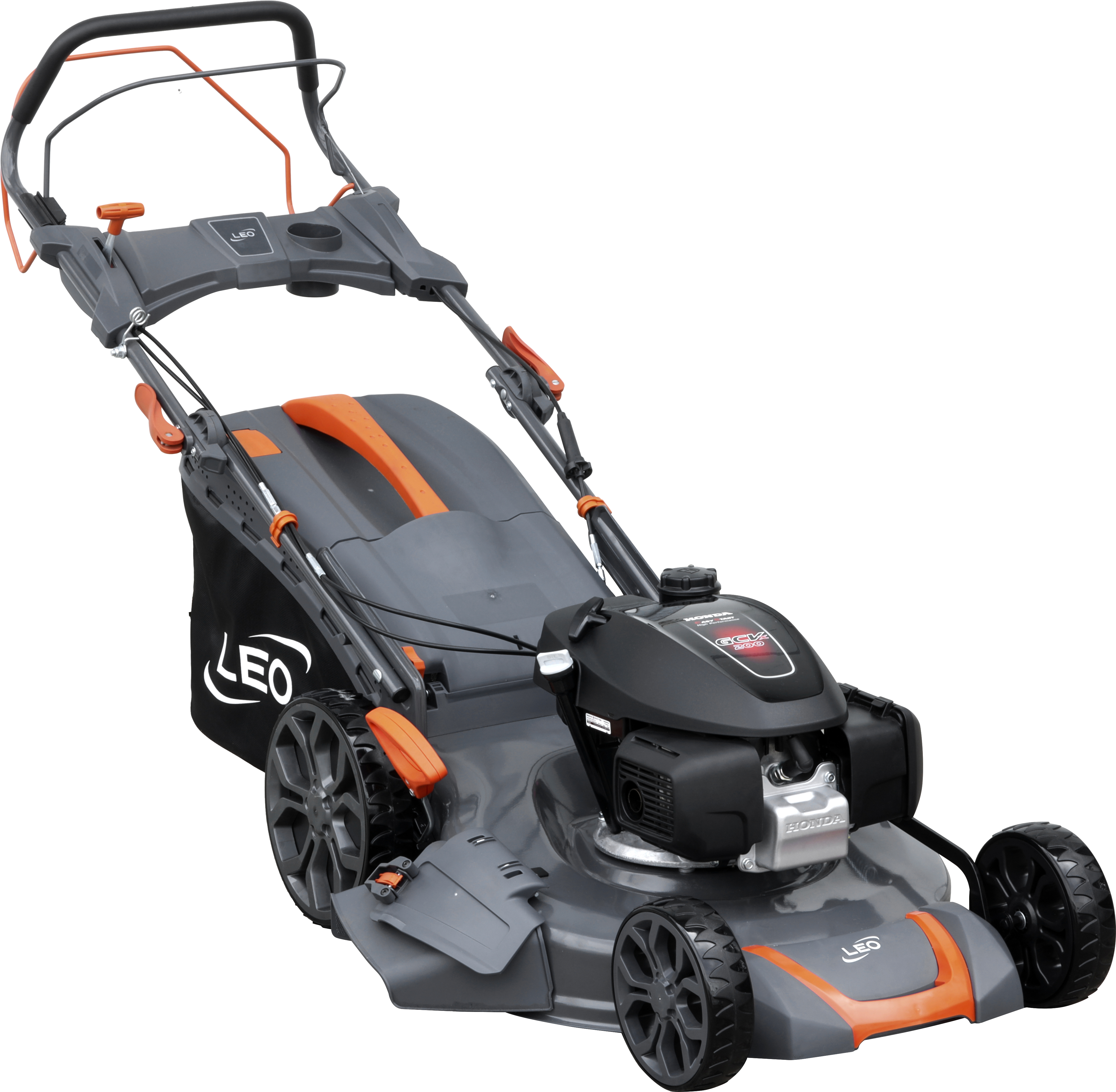 A planned equipment system connects cutting, detail work, service, and transport.
Create a Five-Part Equipment System
1. Primary cutting capacity
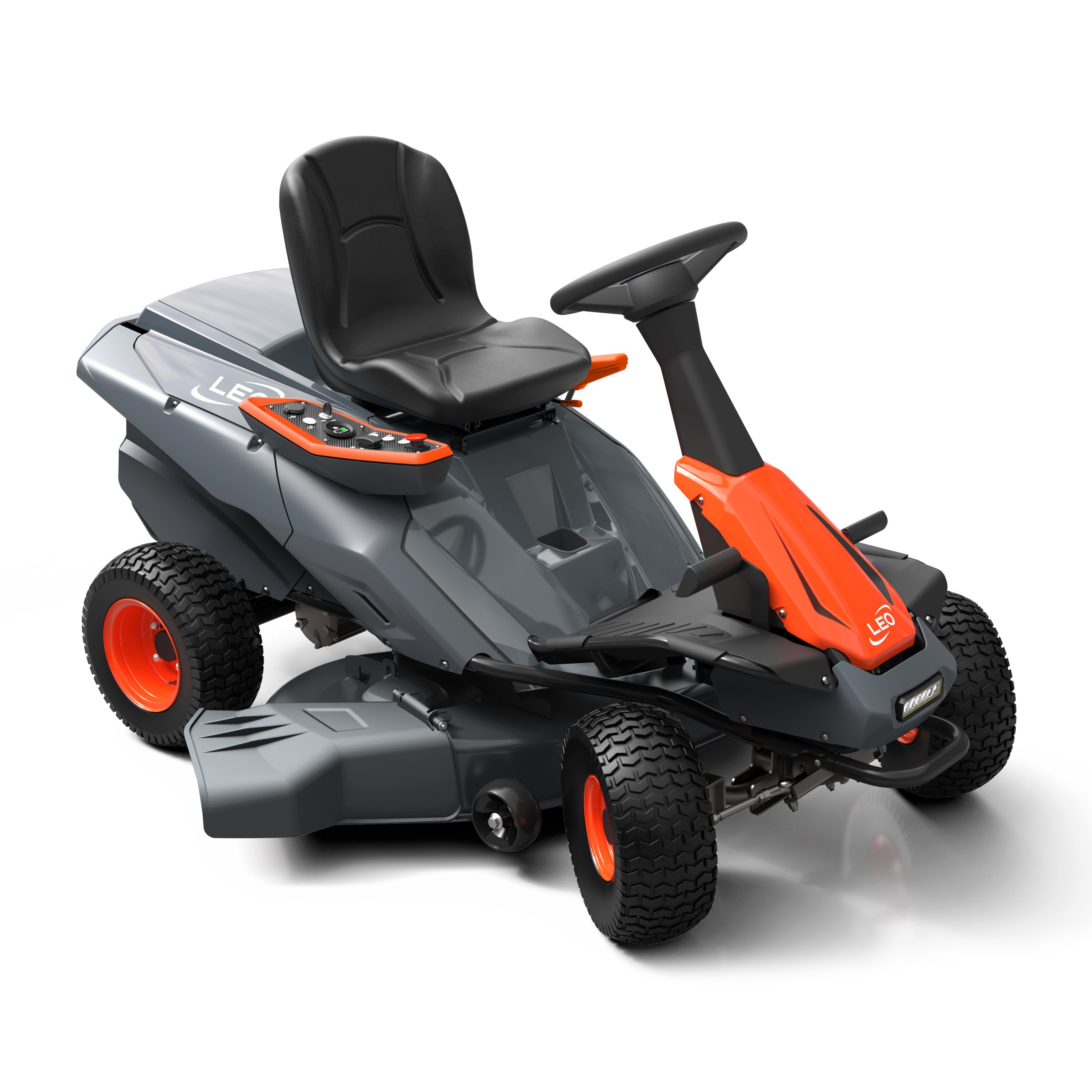
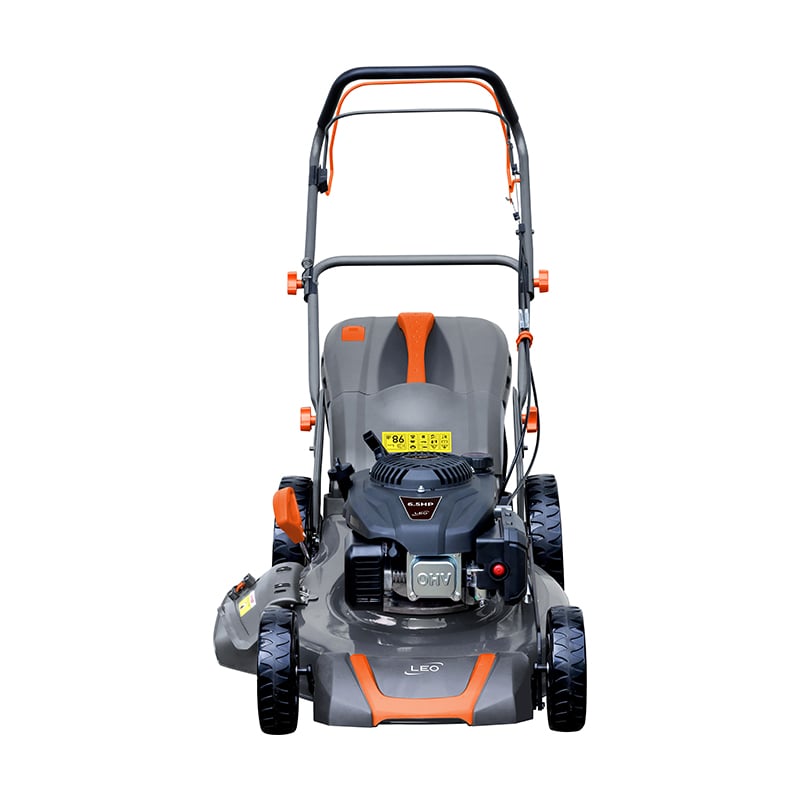
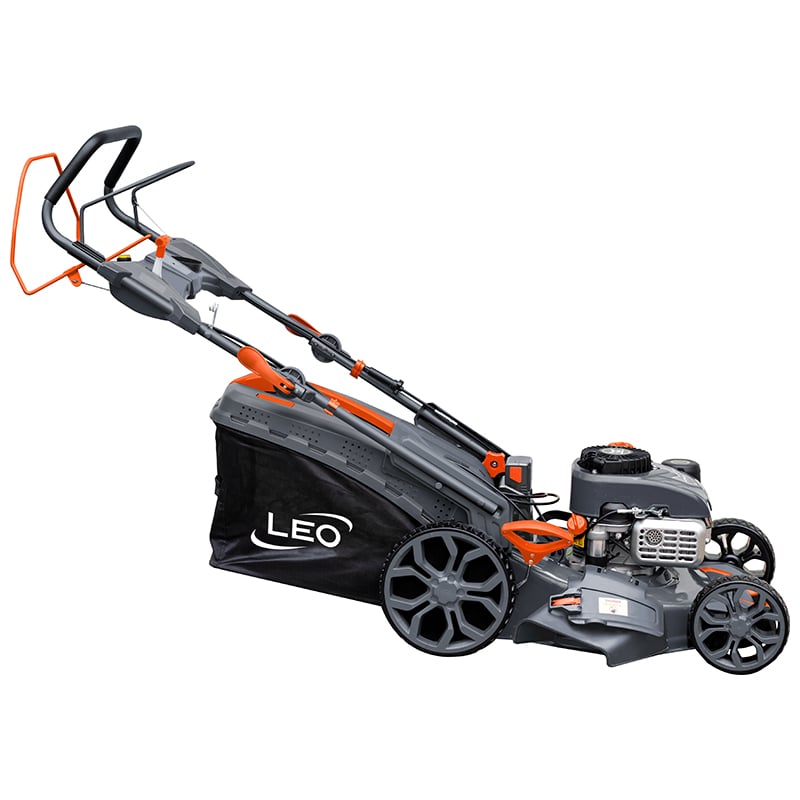
Choose primary mowing equipment by area, terrain, turf condition, and use frequency. Walk-behind machines are often practical where access is narrow or layouts change frequently. Ride-on equipment can improve coverage on larger, open properties, but it needs a clear route plan, adequate trailer capacity, and operator training. Do not select on deck width alone; turning space, slope suitability, storage, and service access matter as well.
Duty cycle should influence this decision. An EPA source cited in Step 3 distinguishes residential and commercial mower activity profiles and lists far more annual operating hours for commercial use. The exact need will vary by route, but the planning lesson is simple: equipment that runs many hours each week needs a stronger service routine, parts plan, and backup capacity than an occasional-use machine.
2. Detail and boundary lawn tools
Detail work can consume more labor than open-area mowing when sites include beds, posts, walls, trees, and uneven borders. A system should therefore allocate dedicated lawn tools for trimming, edging, pruning, and debris collection rather than asking the primary mower to solve every task. Match the tool to the material and frequency of use. Keep consumables—line, blades, guards, batteries, filters, or fuel-system supplies—visible in the same planning sheet.
For a professional care workflow, standardize controls where possible. Consistent battery formats, familiar operating steps, and clear storage locations can reduce changeover time between crews. Where petrol and cordless equipment are both considered, compare actual route duration, access to charging, noise requirements, service capability, and the kind of work performed. Neither power source is a universal fit.
3. Cleanup and material handling
Cleanup equipment deserves its own line in the system. Collection, mulching, leaf handling, and branch-waste processing can determine whether a crew leaves a site ready for inspection. Select this garden equipment according to the waste stream you actually create. Fine clipping material, wet leaves, pruning waste, and bulky debris call for different handling steps. Plan where material goes, who moves it, and how it is contained during transport.
That same thinking applies to transport. A trailer, ramps, tie-down points, fuel or battery storage, and a simple loading sequence are not accessories to ignore; they are part of the operating system. A machine that is difficult to load safely may cost more crew time than it saves on the lawn.
4. Maintenance station and spare-parts control
Reliable maintenance solutions begin with a small, repeatable service station. Set aside space for inspection, cleaning, sharpening or replacement, charging, fluid checks where applicable, and fault tagging. Create a daily check for guards, fasteners, tires, cutting components, cables, batteries, and visible leaks or damage. Then add weekly and seasonal work according to the manufacturer’s instructions.
Parts availability should be evaluated before fleet expansion. Keep a controlled stock of high-turn items that your team is trained to replace, and document when other work must go to qualified service personnel. A parts catalogue and pre-shipment quality process can be valuable supplier-evaluation topics, but confirm the specific scope for the models you intend to source. A professional care operation loses efficiency quickly when one unavailable wear part sidelines a key machine.
5. Safety and crew readiness
Efficiency without safety is short-lived. Build a pre-start routine that checks the work area for debris, confirms guards and controls are in place, and assigns appropriate personal protective equipment. Industry safety guidance commonly calls for eye protection, hearing protection, close-fitting clothing, and suitable footwear during mowing. For ride-on equipment, review slope limits, rollover risks, and the manufacturer’s operating instructions. OSHA notes that riding mowers fitted with rollover protective structures should also use approved seat-belt assemblies.
Make this routine operational: a crew leader should know which site conditions trigger a different tool choice, an equipment stop, or a call for service. That clarity protects people and helps preserve lawn maintenance equipment for the next job.
Use a Simple Selection Matrix
| Decision area | Question to ask | Planning outcome |
|---|---|---|
| Site profile | How large, open, sloped, or obstructed is the turf? | Match cutting capacity and maneuverability. |
| Work frequency | How many hours will the tool run each week? | Set service intervals and backup needs. |
| Detail work | Which edges and obstacles require hand-held work? | Assign the right lawn tools and consumables. |
| Support | How will tools be charged, fueled, transported, cleaned, and repaired? | Build maintenance solutions into the budget. |
| Safety | What training and site checks are required? | Define pre-start and escalation procedures. |
Build the System in Stages
Start with the equipment required to complete your current route reliably, then add capacity where a measured bottleneck appears. Review labor hours, downtime, fuel or charging interruptions, repeat service issues, and seasonal demand after several work cycles. This phased approach gives distributors and operators a clearer basis for expanding their lawn maintenance equipment system than buying every possible machine at once.
Finally, keep supplier evaluation connected to real operating needs. A broad garden equipment range can simplify sourcing, but the meaningful questions are whether the supplier can support the models, documentation, spare parts, packaging, and service process your market requires. When selection, support, and crew practice are planned as one system, professional care becomes more predictable—and the fleet is easier to manage as demand grows.

 Hot News