
 EN
How Garden Machinery Distributors Choose Reliable Gasoline Lawn Mower Suppliers?
For a distributor, choosing a gasoline lawn mower supplier is not a catalogue exercise. The real decision is whether a factory can keep an assortment moving through a selling season, support dealers when a machine needs attention, and manage changes without creating avoidable warranty exposure. A low ex-works quote can look attractive at the start; it matters far less if spare parts, documents, or response times are unclear after containers arrive.
As a B2B buyer evaluates a gasoline lawn mower line, the practical question is simple: can this supplier help us sell confidently and service responsibly in our market? The checklist below turns that question into a qualification process.
Start With the Distributor’s Market Plan, Not the Factory’s Standard Range
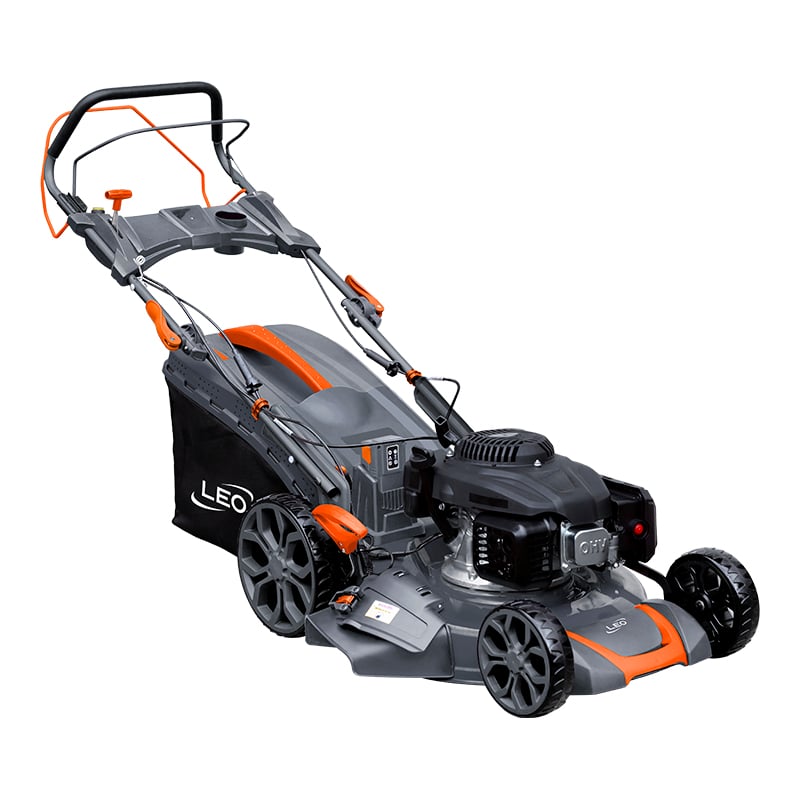
A reliable gasoline lawn mower supplier should first understand where and how the machines will be sold. A compact push mower, a self-propelled model, and a wider-deck unit may all have a place, but each requires a different dealer story, parts forecast, and buyer profile. Retail search results often organize mowers around cutting width, drive system, engine format, and collection or mulching functions. Those are useful starting points, not a complete wholesale assortment plan.
Before requesting quotations, define the intended channel: garden centers, hardware chains, landscaping dealers, or mixed wholesale accounts. Map typical lawn size, terrain, local fuel habits, operator expectations, and the price bands your dealers can realistically support. This reduces the common mistake of choosing a wholesale mower range that looks broad on paper but overlaps too heavily or leaves a gap at the price point customers actually request.
Assess the Mower Manufacturer Beyond the Product Sheet
A credible mower manufacturer can explain how a model is built, checked, packed, and supported without relying on vague assurances. Ask for a structured factory review that covers production flow, incoming component controls, assembly checks, functional testing, packaging review, and pre-shipment inspection. You do not need to demand perfection; you do need to see a repeatable process and clear ownership when a deviation appears.
Useful questions include:
- Which components are controlled by approved specifications, and how are substitutions approved?
- What inspection records can be shared for an agreed order?
- How are serial or batch identifiers managed for traceability?
- Who handles technical questions from distributors, and what information do they need to diagnose an issue?
- How are design, packaging, or supplier changes communicated before shipment?
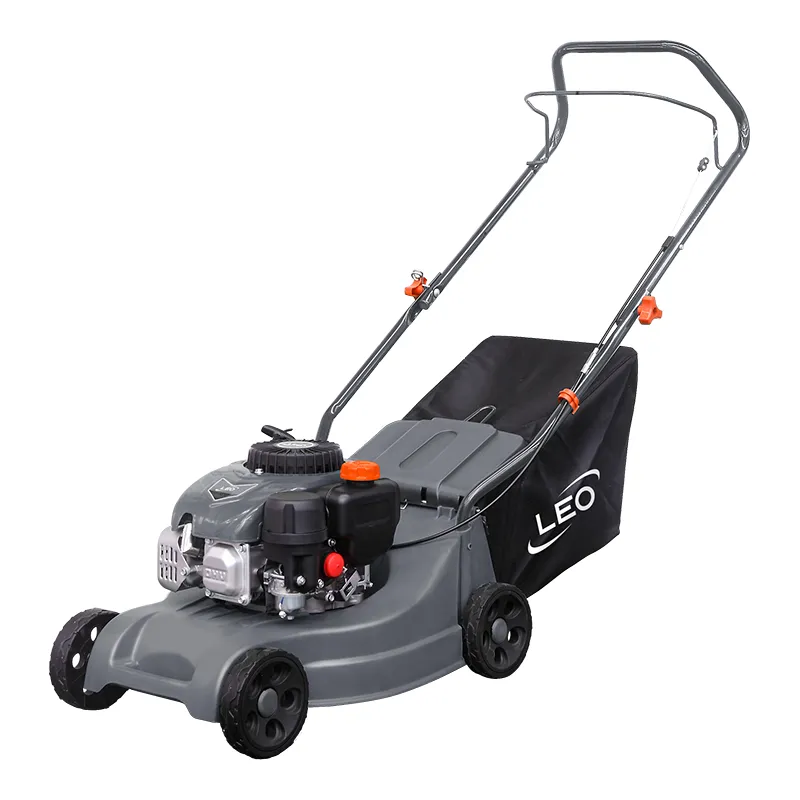
These questions uncover operating discipline. They also help distinguish a factory that merely ships a gasoline lawn mower from one that can sustain a branded distribution program.
Turn Compliance Into a Document Review, Not a Sales Claim
Compliance should be checked market by market. For example, the European Commission describes Directive 2000/14/EC as regulating environmental noise emissions from outdoor equipment and identifying 57 equipment types. That context is a prompt for verification, not proof that a particular mower is approved. Ask the supplier for the documents relevant to your destination market, the model and configuration covered, the responsible entity, and the date or revision of each record.
For every proposed gasoline lawn mower, request a document matrix covering applicable safety, emissions, noise, labeling, manuals, and packaging requirements. Then have the importer’s compliance resource review it before placing volume orders. An experienced garden machinery partner should be able to organize existing documentation and clarify what must be customized; no distributor should accept generic certificates that cannot be tied to the exact model being purchased.
Make Service Readiness a Condition of Supplier Approval
Warranty language alone does not create customer confidence. Ask how claims are logged, what evidence is required, who authorizes remedies, and how quickly the factory can provide technical guidance. Warranty terms vary by manufacturer and market, so the written scope, exclusions, labor policy, and remedy process need to be evaluated as a commercial package.
Parts planning is equally important. A distributor should request a recommended opening parts list, exploded diagrams, part numbers, lead-time expectations, and a process for urgent replenishment. For a gasoline lawn mower, routine service items and wear parts deserve special attention because seasonal demand can make small shortages disproportionately disruptive. If a supplier cannot explain how it supports the product after shipment, price savings may quickly disappear in dealer time and goodwill.
Test OEM Supplier Capability With a Controlled First Program
When private labeling is part of the plan, treat an OEM supplier relationship as a managed development project. Confirm which changes are cosmetic, which changes affect cost or compliance, who approves artwork and manuals, and how production samples are signed off. The goal is not to impose unnecessary complexity. It is to prevent an untracked change to packaging, component sourcing, or labeling from reaching the market unnoticed.
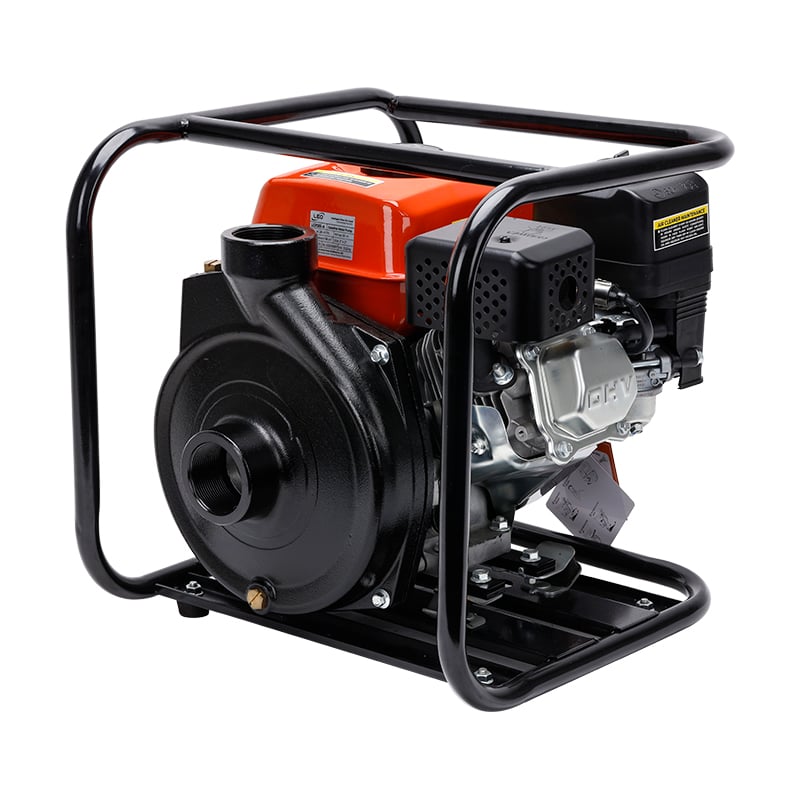
Zhejiang Leo Garden Machinery Co., Ltd. presents a relevant example of the type of category-focused partner distributors may evaluate: its stated range includes lawn mowers, ride-on lawn mowers, shredders, mulchers, tillers, and gasoline water pumps, with OEM and private-label capability described in its business materials. That breadth may help a distributor consolidate related garden machinery sourcing, but it should still be validated through the same document, sample, and service review applied to every candidate supplier.
Compare the Total Cost of the Wholesale Mower Program
A sound purchasing decision is not necessarily the lowest unit price. Compare landed cost alongside expected parts investment, packaging fit, documentation work, warranty exposure, minimum-order flexibility, and the working capital tied up in slow-moving variants. A slightly higher-priced gasoline lawn mower can be the safer choice when its parts plan is clearer and its supplier communicates change control reliably.
| Evaluation area | Evidence to request | Why it matters |
|---|---|---|
| Product fit | Model matrix by intended channel and use case | Prevents range overlap and assortment gaps |
| Factory control | Inspection flow, sample approval, change-notice process | Supports consistency across repeat orders |
| Compliance readiness | Model-specific document matrix for the destination market | Reduces avoidable import and labeling risk |
| After-sales support | Parts list, diagrams, warranty workflow, response contacts | Protects dealer confidence after delivery |
| Commercial resilience | MOQ, lead-time assumptions, packaging and payment terms | Shows whether the program can scale responsibly |
Use a Pilot Order to Validate the Relationship
A pilot is the distributor’s opportunity to observe how the supplier behaves under normal commercial pressure. Agree the sample specification, inspection milestones, packaging approval, shipment documents, and post-arrival feedback loop in writing. After the first season or initial dealer rollout, review the actual questions received, parts consumption, transit issues, and model mix. Then adjust the next gasoline lawn mower order with evidence rather than assumptions.
This approach is especially useful when assessing a new mower manufacturer or an OEM program. It gives both sides a defined way to improve without promising outcomes that have not yet been proven in the field.
Final Supplier-Selection Checklist
- Confirm the target market, channel, and intended product positioning.
- Review model-specific documents against local import and compliance needs.
- Verify factory controls, sample approval steps, and change-notice responsibilities.
- Approve a realistic spare-parts and warranty support plan before the first container.
- Document OEM artwork, manual, packaging, and configuration approvals.
- Compare total program cost, not only the quoted unit price.
- Use the first order as a measured pilot and hold a post-delivery review.
Reliable garden machinery distribution is built on evidence, communication, and service preparation. A supplier that welcomes those checks gives a distributor a stronger basis for choosing a gasoline lawn mower range that can perform in the market as well as it does in a quotation.

 Hot News