EN
Future Trends of Battery Powered Garden Machinery in Global Markets.
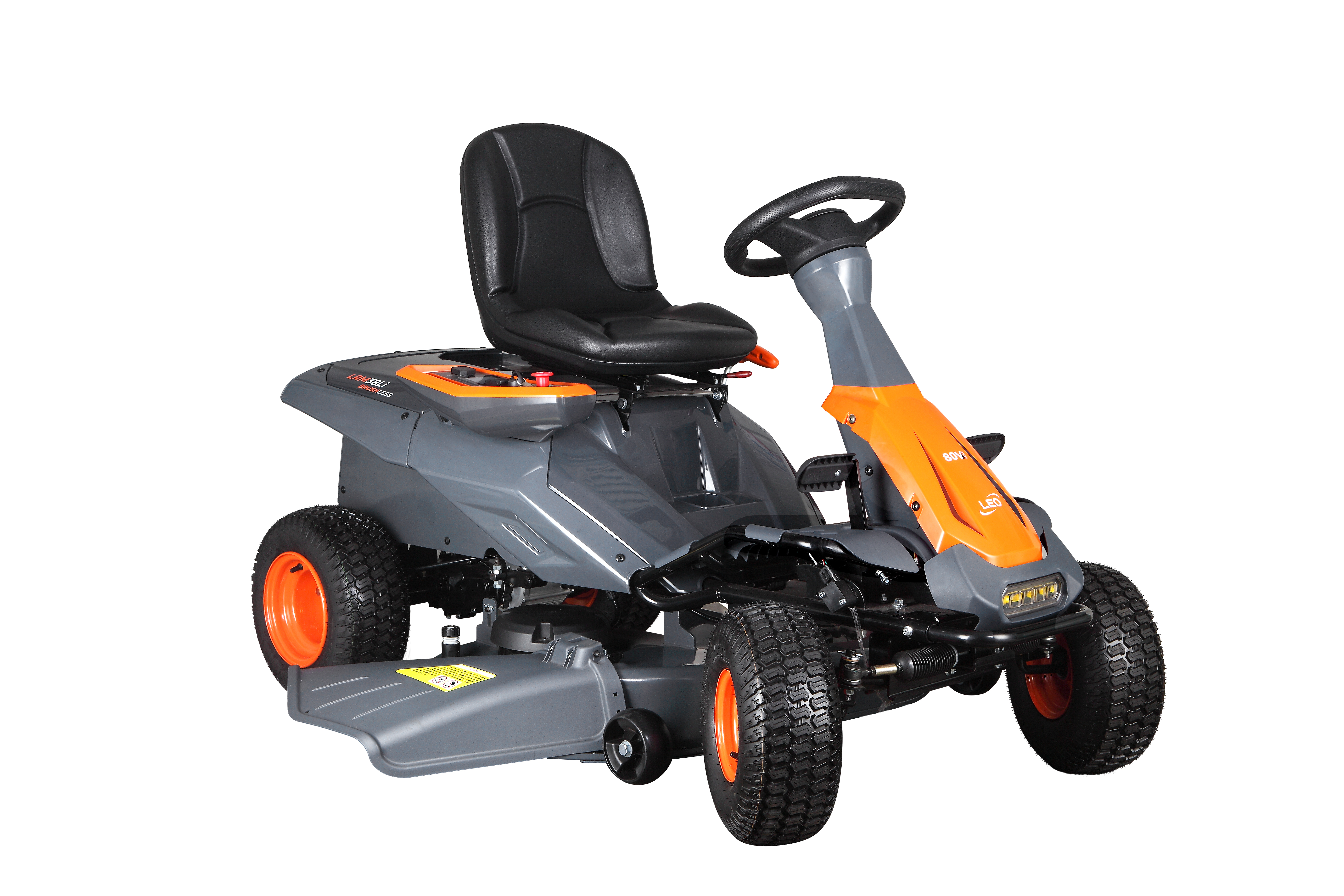
For distributors planning the next few seasons, the battery operated ride on mower is no longer a fringe category. It is becoming a useful indicator of where outdoor equipment is heading: lower local emissions, quieter operation, software-aware controls, and a much closer relationship between the machine, its battery platform, and its after-sales plan. The change is real, but it is not a simple “electric replaces petrol” story.
When sourcing garden machinery at scale, the decision is not just about the unit price. Warranty terms, spare-parts availability, transport rules, charging expectations, and the match between runtime and local property sizes all affect whether a range works commercially. That is especially true for a battery operated ride on mower, where buyers expect riding comfort and credible coverage, not merely a different power source.
Why the global market is moving toward battery platforms
Several forces are converging. Residential users value less routine engine maintenance and a quieter mowing experience. Municipal and contractor buyers are under growing pressure to reduce noise and local exhaust around homes, parks, schools, and public facilities. Retail search results also show that buyers now compare battery platforms, deck widths, charging arrangements, and property fit alongside the familiar questions of cut quality and manoeuvrability.
That does not mean every market will adopt at the same speed. Electricity cost, charging access, service capability, climate, terrain, and property size vary widely between Europe, Latin America, and other regions. Still, electric gardening is shifting from a small-tool discussion toward a system discussion. A mower, trimmer, blower, charger, and replacement battery increasingly need to make sense together for the dealer and the end user.
The battery operated ride on mower becomes a platform purchase
A battery operated ride on mower used to be assessed primarily on whether it could finish a lawn on one charge. That remains important, but it is only the first question. Buyers increasingly examine battery chemistry, usable energy, charge time, thermal management, battery warranty, and whether the platform is shared across other garden equipment.
For a distributor, platform logic can reduce range complexity when batteries and chargers work across compatible tools. For an end user, it can make seasonal ownership easier. The limitation is equally important: a shared platform must still have enough energy and charging resilience for the mowing duty. A compact suburban lawn, a sloped rural plot, and a contractor route are different operating cases. Treating them as identical creates disappointing runtime expectations and unnecessary returns.
Smart tools will reshape expectations, not eliminate practical checks
The next generation of smart tools is likely to make the battery operated ride on mower more informative. Battery status, charge reminders, diagnostic alerts, service intervals, and operating modes can help owners manage the machine rather than react after a problem appears. Dealers may also benefit when a clear diagnostic record makes remote triage easier before arranging workshop time.
However, connectivity should be judged by the value it creates. A useful alert is one that helps protect battery health, signals a safety issue, or improves service planning. Decorative app features do not compensate for weak cutting performance, an unclear parts catalogue, or poor local support. Most buyers will accept a measured balance: relevant digital functions, backed by straightforward controls and serviceable hardware.
Noise, compliance, and battery stewardship become procurement topics
The transition to green technology changes the documentation conversation as well as the machine. In Europe, the public framework for outdoor-equipment noise includes Directive 2000/14/EC, which covers environmental noise emissions from equipment used outdoors and includes lawnmowers. Battery power can improve the user experience, but it does not remove the need to understand the applicable requirements for a complete machine.
Battery supply also deserves due diligence. Regulation (EU) 2023/1542 establishes a batteries framework covering areas such as safety, labelling, traceability, and sustainability obligations. The exact duties depend on product type, market role, and timing, so importers should validate requirements with their compliance teams rather than relying on a generic claim. The practical lesson is simple: battery specifications, transport information, end-of-life arrangements, and supporting documents need to be planned alongside the mower itself.
What machinery trends mean for product planning
Current machinery trends point to a broader portfolio rather than a single winning power source. Petrol equipment can remain appropriate where long uninterrupted duty cycles, remote locations, or demanding terrain make refuelling flexibility valuable. Battery equipment is often compelling where noise, routine maintenance, emissions at point of use, and ease of operation matter more. Strong ranges will help buyers self-select instead of forcing every application into the same answer.
That is why distributors should consider a laddered offer: compact battery products for smaller properties, more capable battery operated ride on mower configurations for regular acreage, and established alternatives for high-demand work. The selection language should state boundary conditions plainly. If a property has steep ground, heavy grass, frequent towing, or long continuous shifts, runtime and torque under load deserve closer attention than headline voltage alone.
A practical checklist for global buyers
- Match coverage to real duty: ask about grass conditions, slopes, seasonal growth, towing, and expected mowing frequency before promising a battery operated ride on mower fit.
- Check the battery ecosystem: compare charger availability, spare battery lead times, storage guidance, warranty handling, and compatibility across the range.
- Plan service before launch: confirm diagnostic access, replacement parts, technician training, and a clear process for battery-related support cases.
- Validate market documentation: review applicable safety, noise, transport, labelling, and battery obligations for each destination rather than assuming one export file fits all markets.
- Keep product claims precise: use tested, model-specific coverage and charge information; do not turn peak-use conditions into a universal promise.
The outlook: quieter power, better matching, stronger after-sales discipline
The battery operated ride on mower will likely gain visibility as battery packs improve, dealers build confidence in service processes, and buyers become more familiar with connected equipment. The most durable opportunity is not to market every cordless model as a replacement for every engine-driven machine. It is to make the right operating case clear and support it with credible battery, compliance, and parts planning.
For global garden-machinery partners, the next phase is about disciplined range design. Companies with experience across cordless, electric, and petrol categories can help distributors sequence that transition without abandoning customers whose work still calls for another power source. In that sense, the future of electric gardening is practical: quieter and more data-aware equipment, paired with honest specifications and support that lasts beyond the sale.

 Hot News